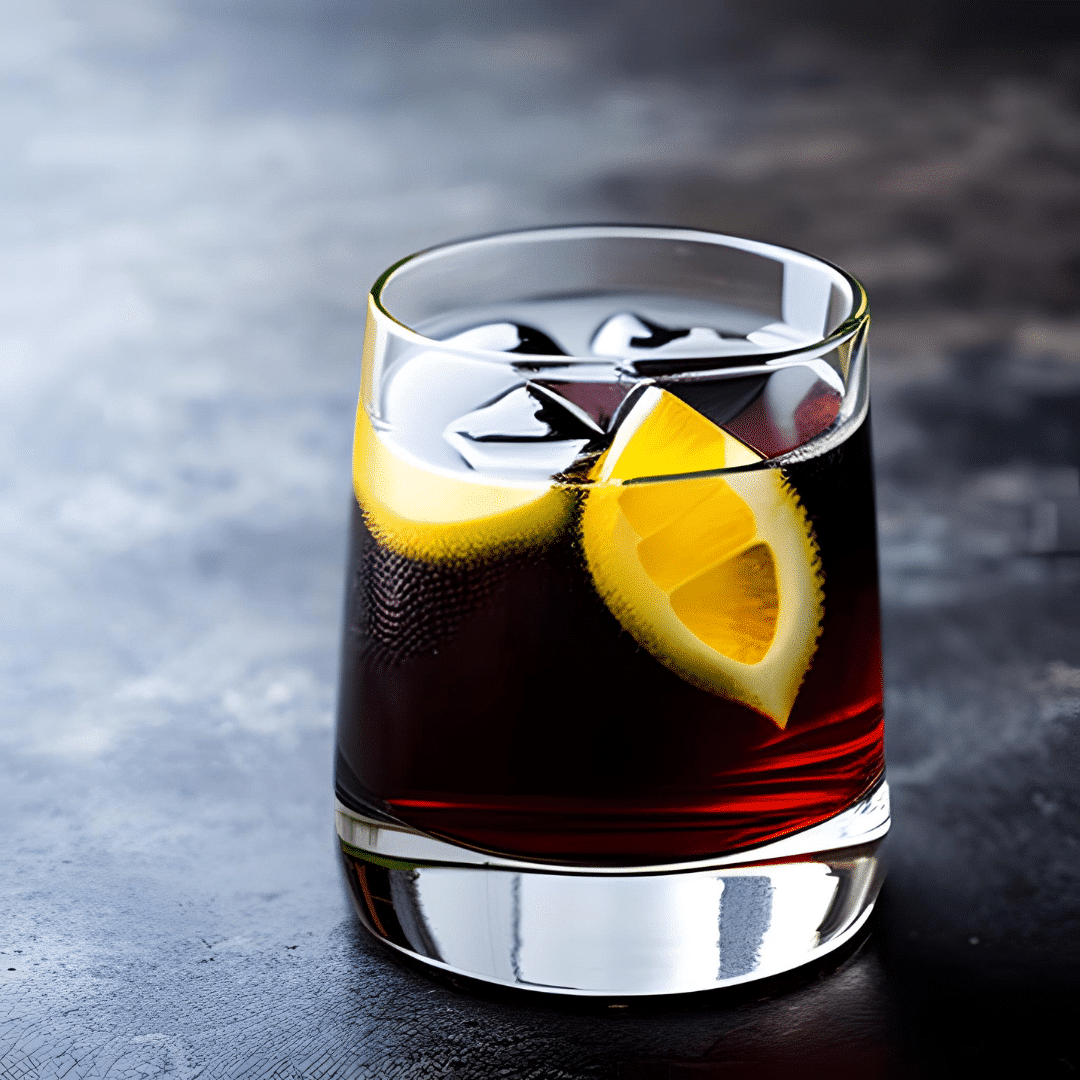
National Rum Day

Aug 15, 2026 | Food Blog

Today’s spotlight is on Rum.

Rum is a liquor that is distilled from sugarcane or sugarcane byproducts such as molasses or sugarcane juice. The sugarcane is fermented and then distilled, producing a clear liquid that is often aged in oak barrels. This aging process gives the final product its characteristic color and flavor.

Rum has a typical alcohol concentration of 40% ABV. Some rum is “overproof,” meaning that it has an alcohol concentration of at least 57.5% ABV. Most overproof rum exceeds this minimum, usually reaching 75.5% ABV, which is equivalent to 151 proof.

Rum is produced in nearly every sugar-producing region of the world, such as the Philippines, where Tanduay is the largest producer of rum globally.


History

According to most historians, rum was invented in the 17th century by slaves on sugarcane plantations in the Caribbean. The slaves discovered that molasses, a by-product of the sugar refining process, could be fermented into alcohol and then distilled. The first rum was made on the island of Barbados using molasses.

The first rum distillation took place in the Caribbean in the 1620s. Rum was the first alcohol to be manufactured and distilled, and the first spirit that was drank for pleasure and not used for medical purposes.

The creation and production of rum moved to New England, where the fermented molasses was turned into rum on a large scale.

Rum may be a shortened version of the slang words “rumbullion” or “rumbustion,” which may represent a great tumult or a type of uproar. Rum may also come from the word “roemer,” a Dutch word for a large glass. Pusser’s Rum

The oldest brand of rum in the world is Mount Gay Rum, with the oldest deed of property dating from February 1703.

Here are some details about the history of rum:

  • The first recorded rum was in the West Indies around 1650. It was known as “kill-devil” or “rumbullion” in Barbados records, and the name “rum” became regular in 1667.
  • The traditional history of modern rum says it was invented in the Caribbean in the 17th century by slaves on sugarcane plantations.
  • The first rum distillation took place in the Caribbean in the 1620s
  • Rum was the first alcohol to be manufactured and distilled, and the first spirit that was drunk for pleasure.
  • Rum drinking offered a momentary escape from harsh labor regimens and the general anxieties of life on sugar estates.
  • After the Revolutionary War, whiskey replaced rum as the dominant drink in America, in part because the sugar supply from the West Indies had been disrupted by the war.
  • There are different types of rum, including light rum, gold rum, dark rum, spiced rum, and flavored rum.


Here are some rum drink recipes for you to try:

Rum punch

1 1/4 oz light rum, 1 1/4 oz dark rum, 2 oz pineapple juice, 1 oz orange juice, 1/4 oz lime juice, 1/4 oz grenadine, garnished with a maraschino cherry.

Easy rum punch

3 oz pineapple juice, 2 oz orange juice, 1 oz dark rum, 1 oz coconut rum, splash of grenadine, garnished with a lime slice.

Classic rum drink

2 oz Pusser’s Rum, 4 oz pineapple juice, 1 oz orange juice, 1 oz cream of coconut, garnished with freshly grated nutmeg.

Drunken Monkey

6 oz orange-pineapple juice blend, 3 oz coconut rum, 1 oz spiced rum, 4-5 dashes bitters, fresh ground nutmeg, maraschino cherries, lime slices, fresh pineapple wedges.

Other rum drinks include the Mojito, Dark ‘n Stormy, Piña Colada, Mai Tai, Strawberry Daiquiri, Hurricane, and The Jungle Bird.


Here are some fun facts about rum: Borracha

  • Rum is the oldest spirit in the world Borracha Mexican Cantina
  • Rum may also come from the word “roemer,” a Dutch word for a large glass
  • In 2021, Italy was the largest rum and distilled fermented sugar-cane exporter in the world
  • India is the biggest consumer of rum in the world
  • Some of the strongest rums in the world include Neisson L’Esprit Blanc, Martinique (70%), Jack Iron Grenada Overproof, Grenada (70%), and SMWS R3.5 “Marmite XO”, Barbados/Scotland (74.8%)

National Rum Day is August 16th. This holiday celebrates the distilled alcoholic beverage made from sugarcane by-products, such as molasses. Rum is a sweet drink that’s enjoyed by many and is the third most popular drink in the United States.

Some say that rum is steeped in romanticism because of its association with pirates in the Caribbean. The rum industry is growing in the South, particularly in Louisiana, Florida, and Texas, which produce the sugar cane that’s at the heart of rum.

You can celebrate National Rum Day by pouring yourself a glass of rum or trying a rum cocktail. Let us know in the comments what your favorite rum drink is.

0 Comments

Submit a Comment

Your email address will not be published. Required fields are marked *

Subscribe to our Blog to receive more content like this. Click here to subscribe.

Be sure to watch our shows on QVC+  or our YouTube channel

Give us your feedback on our Social Channels 

FacebookInstagramTik TokLinkedInPinterestTwitter  

National Bratwurst Day

National Bratwurst Day

Today’s Spotlight is on Bratwurst.
Bratwurst is a type of German sausage, also known as a "brat". It's typically made from pork and veal, but can also be made with beef, or any combination of meat. Bratwurst has a smooth texture, pale color, and mild flavor. It can be seasoned with salt, white pepper, nutmeg, lemon peel, marjoram, caraway, and garlic. They are often consumed for breakfast in German cities.
Bratwurst is prepared and stored fresh, so it doesn't have a long shelf life like a sausage can. It's usually grilled or fried in a pan

Read More

National Lemon Meringue Pie Day

National Lemon Meringue Pie Day

Today’s spotlight is on Lemon Meringue Pie.
Lemon meringue pie is a dessert pie consisting of a shortened pastry base filled with lemon curd and topped with meringue. Lemon meringue pie has a buttery, flaky, and crispy pie crust. The filling is jelly-like, translucent, and smooth, and is yellow due to the lemon juice, lemon rind, butter, and egg yolk. The pastry is thin and flat due to being rolled out using a rolling pin. During baking, the edges turn golden brown.

Read More

National Filet Mignon Day

National Filet Mignon Day

Today’s Spotlight is on Filet Mignon.
Filet mignon is a cut of beef from the small end of the tenderloin, or psoas major, which is located near the spine of the cow. The tenderloin runs along both sides of the spine and is usually butchered as two long snake-shaped cuts of meat. The tenderloin is sometimes sold whole. The tenderloin is the most well-known muscle on a cow and is also the most tender. Filet mignon is a lean cut of beef, which means you'll enjoy a fork-tender steak without much fat or connective tissue.
Filet mignon is one of the most tender and milder cuts of steak, making it a favorite among steak lovers. It's also one of the most expensive cuts of steak, due to its prized texture and that it's only about 2 to 3% of the total animal.

Read More

National Kool-Aid Day

National Kool-Aid Day

Today’s spotlight is on the flavored water treat known as Kool-Aid.
Kool-Aid is an American brand of flavored drink mix. It's typically made with sugar, water, and artificial colorings. The powder form was created in 1927 by Edwin Perkins based on a liquid concentrate called Fruit Smack. Kool-Aid is owned by Kraft Heinz, based in Chicago, Illinois.

Read More

National Smores Day

National Smores Day

Today’s spotlight is on a fireside favorite – S’mores.
S'mores are a confection made of toasted marshmallows and chocolate sandwiched between two graham crackers. They are a traditional camping snack that are popular in the United States and Canada. S'mores are traditionally cooked over a campfire and warmed over an open flame until melted and gooey.

Read More

National Rice Pudding Day

National Rice Pudding Day

Today’s Spotlight is on Rice Pudding.
Rice pudding is a creamy mixture of rice and milk and other ingredients such as cinnamon, vanilla and raisins. It's cooked until it's thick and soft. It can be sweet or savory. Variants are used for either desserts or dinners. When used as a dessert, it is commonly combined with a sweetener such as sugar. American rice pudding often uses leftover rice and can be baked in the oven or cooked on the stove.

Read More

Sneak Some Zucchini onto Your Neighbor’s Porch Day

Sneak Some Zucchini onto Your Neighbor’s Porch Day

Today’s Spotlight is on Zucchini (and your neighbors)!
There are a lot of odd holidays but this one has got to be one of my favorites. Sneak Some Zucchini Onto Your Neighbor's Porch Day is celebrated on August 8th every year. The holiday encourages people to sneak their extra zucchinis onto the porches of unsuspecting community members. The day celebrates the bounty of the summer's zucchini harvest by demonstrating generosity, desperation, and cunning.

Read More

Raspberries and Cream Day

Raspberries and Cream Day

Today’s food spotlight is aimed at Raspberries and Cream.
Raspberries and cream is a simple treat that combines fresh, ripe berries with sweetened, hand-whipped cream. It's a good option for anyone with a sweet tooth.
Raspberries are the fruit of several shrubs in the rose family. They are usually red but can also be black or yellow. When ripe, they separate from the receptacle and are rounder and smaller than blackberries. The name "raspberry" may have come from "raspise", which means "a sweet rose-colored wine". The name may also be related to the Old English word "rasp", which means "rough berry".

Read More

National Root Beer Float Day

National Root Beer Float Day

Today’s spotlight is on Root Beer Floats!
The root beer float is traditionally made with vanilla ice cream and root beer, but it can also be made with other ice cream flavors. It's sometimes referred to by the nicknames “brown cow” or “black cow”. Root beer floats were a popular dessert drink in 1950s diners.

Read More

Oyster Day

Oyster Day

Today’s food spotlight is on Oysters.
Oysters are a type of bivalve, which are marine and freshwater mollusks with long, flat bodies and shells made up of two hinged parts. Oysters are plump, mineral rich, saltwater mollusks that live at the bottom of shallow coastal waters, often adhering to rocks or other objects. They use their gills and cilia to process water and feed. Oysters have a small heart and internal organs, but no central nervous system.

Read More

Pin It on Pinterest