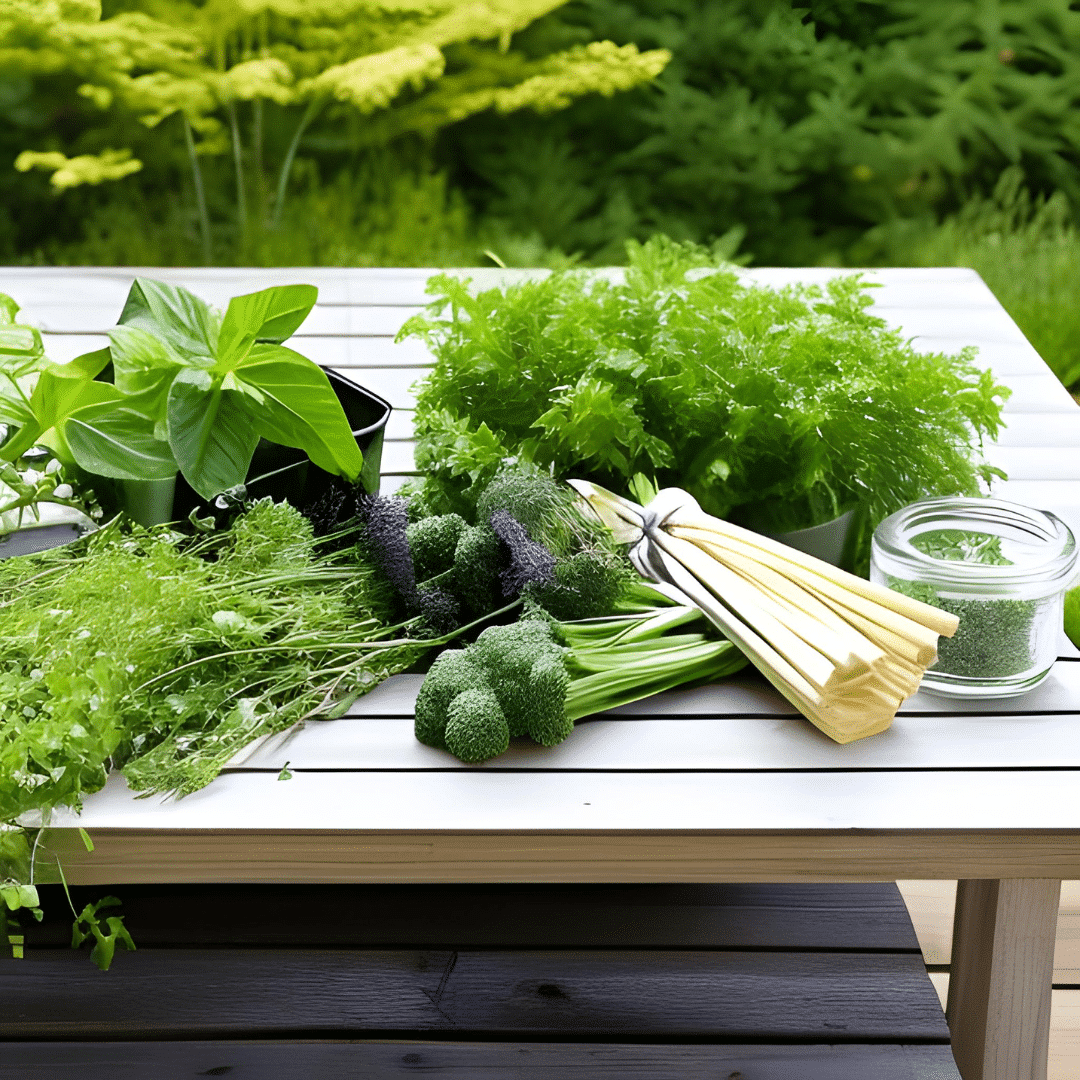
Herb Day

May 1, 2026 | Food Blog

Herb Day is an annual celebration of the many benefits of herbs. It is celebrated in May each year, and is a great opportunity to learn more about the many benefits of herbs and how to use them in cooking and for medicinal purposes. Herbs have been used for centuries to improve the flavor of food, to treat illnesses, and to add fragrance to perfumes and other products.

In ancient Egypt, herbs were used to treat various ailments, such as headaches, digestive troubles, and even infections. The oldest known herb recipe was found in an ancient Egyptian medical text from 1600 BCE. The recipe called for a mixture of herbs, including carob, coriander, fennel, and anise, to be boiled and strained, then mixed with honey and applied externally to treat inflammation. The Chinese have used herbs to treat illness since the 3rd millennium BC. In India, Ayurvedic medicine has been practiced since ancient times and is based on the use of herbs. In medieval Europe, herbs were used to treat a variety of ailments, from fever and colds to digestive problems. Herbal remedies were also used by Native Americans to treat a variety of ailments, including skin conditions and sore throats. Herbal remedies have been used in many cultures for centuries and continue to be used today in many forms, including teas, tinctures, extracts, and infusions.

For a modern day herbal recipe, try this calming chamomile tea.

Ingredients:

2 teaspoons of dried chamomile flowers
1 teaspoon of honey
1/2 cup of boiling water

Instructions:

1. Place the chamomile flowers in a mug.
2. Add the boiling water to the mug.
3. Allow the mixture to steep for 5 minutes.
4. Strain the mixture and pour into a cup.
5. Add the honey and stir until the honey is dissolved.
6. Enjoy your calming chamomile tea.

Herbs have also been used for centuries for a variety of purposes beyond cooking. Herbs have been used for medicinal purposes since ancient times and are still used today to treat a variety of illnesses and ailments. Herbs are also used in aromatherapy to help reduce stress and anxiety and to create a calming atmosphere. Herbs are used to make teas that may have health benefits. Some herbs are even used in perfumes and other products to add a pleasant scent and natural fragrance. Herbs are incredibly versatile and can be used in a variety of ways.

Herbs can also be used as natural pesticides to keep away bugs and pests due to their insecticidal properties. Herbs such as basil, garlic, lavender, and rosemary contain compounds that can repel or even kill pests. These compounds can be extracted and sprayed directly onto plants or added to a solution that can be sprayed on the plants. Herbal pesticides are considered safe for humans, animals, and the environment, as they are natural and don’t contain any synthetic chemicals.

Fun Facts About Herbs

  • Herbs are believed to have been used for medicinal purposes as far back as 5000 BC
  • There are more than 200 types of herbs
  • Herbs can be used to season food, as a natural pesticide, or to make teas
  • Herbs are used in aromatherapy to help reduce stress and anxiety
  • Basil, oregano, thyme, and rosemary are some of the most popular herbs used in cooking
  • Parsley is one of the oldest known herbs, and it is still used in many dishes around the world
  • Sage is believed to have antiseptic and anti-inflammatory properties.
  • Basil is considered to be a symbol of love and was often used in medieval wedding ceremonies.
  • Parsley is a natural breath freshener and was eaten to prevent bad breath after a meal.
  • Rosemary is an evergreen shrub and is native to the Mediterranean region.
  • Mint is one of the oldest known herbs and has been used for centuries for medicinal and culinary purposes.
  • Thyme is believed to be a symbol of courage and was used as an emblem of bravery by the ancient Greeks.
  • Oregano is a member of the mint family and is native to the Mediterranean region.
  • Dill is related to celery and was used as a medicinal herb by the ancient Greeks.
  • Marjoram is a member of the mint family and is native to the Mediterranean region.
  • Cilantro is considered to be a symbol of good luck in many cultures and is believed to have many health benefits.

On Herb Day, people are encouraged to plant herbs in their garden, cook with herbs, and learn more about the medicinal properties of herbs. Do you grow any herbs at home? We’d love to hear what you grow in the comments.

0 Comments

Submit a Comment

Your email address will not be published. Required fields are marked *

Subscribe to our Blog to receive more content like this. Click here to subscribe.

Be sure to watch our shows on QVC+  or our YouTube channel. 

Give us your feedback on our Social Channels 

Facebook • Instagram • Tik Tok • LinkedIn • Pinterest • Twitter  

Celebrating Pumpkins

Celebrating Pumpkins

Today’s Spotlight in on Pumpkins.
A pumpkin is a vernacular term for mature winter squash of species and varieties in the genus Cucurbita that has culinary and cultural significance but no agreed upon botanical or scientific meaning. Pumpkin, from a botanist's perspective, is a fruit because it's a product of the seed-bearing structure of flowering plants. Vegetables, on the other hand, are the edible portion of plants such as leaves stems, roots, bulbs, flowers, and tubers.

Read More

Celebrating Pasta

Celebrating Pasta

Today’s Spotlight is on Pasta.
Pasta is a type of food typically made from an unleavened dough of wheat flour mixed with water or eggs, and formed into sheets or other shapes, then cooked by boiling or baking.
Pasta is a type of food made from unleavened dough of wheat flour, water, and sometimes eggs. The dough is formed into different shapes and then cooked by boiling or baking. Pasta can be dried or used fresh.

Read More

Celebrating Boston Cream Pie

Celebrating Boston Cream Pie

Today’s Spotlight is on Boston Cream Pie.
A Boston cream pie is a cake with a cream filling. The dessert acquired its name when cakes and pies were cooked in the same pans, pie tins were more common than cake pans, and the words were used interchangeably. In the late 19th century, this type of cake was variously called a "cream pie", a "chocolate cream pie", or a "custard cake".
The Boston cream pie is a sponge cake. The cake batter was originally baked in a pie crust. At some point, the crust was eliminated, and the batter was poured directly into the pie pan.

Read More

Celebrating Whole Hog BBQ

Celebrating Whole Hog BBQ

Today’s spotlight is on a Whole Hog BBQ.
Whole hog barbecue involves cooking an entire hog in one piece over a pit in the ground. It's a time- and labor-intensive process. Whole hog barbecue is a regional style of barbecue where a pitmaster cooks an entire hog. The hog smoked for hours on a wood pit. The meat is seasoned with sauces like mustard-based, tomato-based, or vinegar-based.
To serve, the skin is cracked along the back, hams, and shoulders. The meat should pull easily from the bone. Guests can choose the type of meat they want, such as:
Loin, Tenderloin, Shoulder, Hams, Belly, Ribs.

Read More

Celebrating Nuts

Celebrating Nuts

Today’s focus is on nuts!
Nuts (tree nuts and peanuts) are nutrient dense foods with complex matrices rich in unsaturated fatty and other bioactive compounds: high-quality vegetable protein, fiber, minerals, tocopherols, phytosterols, and phenolic compounds.
There are over 20 edible nuts in the world. Some of the most common edible nuts include:

Read More

Celebrating Nachos

Celebrating Nachos

Today’s Spotlight is on Nachos.
Nachos is a Mexican culinary dish consisting of tortilla chips or totopos covered with cheese or cheese sauce, as well as a variety of other toppings and garnishes, often including meats, vegetables, and condiments such as salsa, guacamole, or sour cream.
They can also include other toppings and garnishes, such as:

Read More

Celebrating Chicken and Waffles

Celebrating Chicken and Waffles

Today’s Spotlight is on Chicken and Waffles.
Chicken and waffles is a dish that combines chicken and waffles. It's popular in the United States and is served in many restaurants. The dish first appeared in the United States in the 1600s in Pennsylvania Dutch country. The traditional Pennsylvania Dutch version consists of a plain waffle with pulled, stewed chicken on top, covered in gravy.

Read More

Celebrating Seafood Bisque

Celebrating Seafood Bisque

Today’s Spotlight is on Seafood Bisque.
A bisque is a French style of soup that is made from crustaceans, such as lobster, crab, shrimp, and crayfish; their shells are used to make a stock and the meat is incorporated into the finished dish. So, in a way, calling the soup a "seafood bisque" is somewhat redundant.
The main characteristic of a bisque is that it is smooth and has a velvety texture. Most recipes will include wine and cream to give it its signature flavor and texture. But it's not merely the choice of ingredient that makes bisque different from other types of soups. It’s also the technique for utilizing that ingredient, including the parts you can't eat, making a bisque what it is.

Read More

Celebrating Meatloaf

Celebrating Meatloaf

Today’s Spotlight is in Meatloaf.

Meatloaf is a traditional dish made from ground meat, such as beef, pork, or poultry, mixed with other ingredients like breadcrumbs, onions, and eggs. It is then formed into the shape of a loaf, then baked or smoked. The final shape is either hand-formed on a baking tray or pan-formed by cooking it in a loaf pan.

Read More

Pin It on Pinterest