Celebrating Fluffernutter

Oct 7, 2026 | Food Blog

Today’s spotlight is on the Fluffernutter.

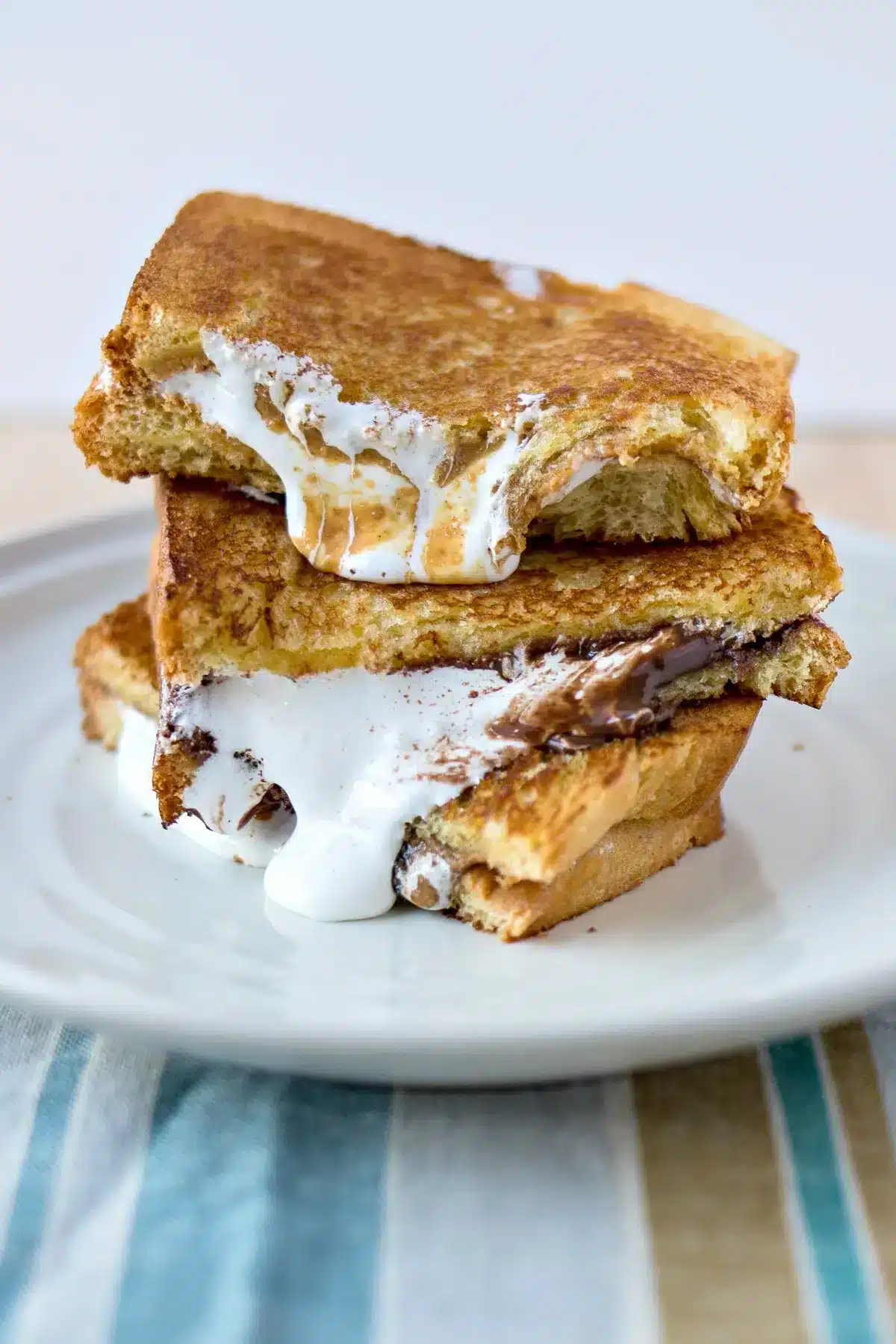
A fluffernutter is a sandwich made with peanut butter and marshmallow creme between two slices of white bread. The sandwich is also known as a “peanut butter and marshmallow sandwich” or “peanut butter and marshmallow fluff sandwich”. The flavor is sweet and salty, similar to a peanut butter and jelly sandwich.

The sandwich is a kid-favorite and has been a staple of playgrounds, after-school snacks, college dorms, and diners. Although the fluffernutter doesn’t originate in the South, it is a quick-to-assemble sandwich that triggers nostalgia and fond food memories.

Some variations of the fluffernutter include bananas, jam, or chocolate spreads.


History

The fluffernutter sandwich was invented in 1918 in Massachusetts. Emma Curtis created the sandwich, which she called the “Liberty Sandwich”, during World War I. She published the recipe in a promotional pamphlet sent to her customers. The sandwich is made with peanut butter and marshmallow creme spread on two pieces of bread. The sandwich was well-timed because the United States was asking people to ration meat and other goods at least once a week.

The Curtis family later introduced a marshmallow fluff called SMAC Marshmallow. They printed the recipe for peanut-butter–and-SMAC sandwiches on the label. Marshmallow Fluff is still made by Durkee-Mower in Lynn, Massachusetts. The company has been making the product for over 100 years using the same process developed over 75 years ago. The marshmallow spread is still made in the US using the original recipe.


Here is a Fluffernutter Recipe for you to ty:

The Fluffernutter is a sandwich made with bread, peanut butter, and Marshmallow Fluff. It has been a staple in New England lunchboxes for decades. The sandwich is often eaten by children.

To make a fluffernutter, you can:

  • Take two slices of white bread.
  • Slather one with creamy peanut butter.
  • Slather the other with marshmallow fluff.


You can also toast a fluffernutter sandwich. Because peanut butter and marshmallow fluff melt at low heat, you can think of a fluffernutter as peanut butter and marshmallow fluff on toast.

Here are some tips for toasting a fluffernutter sandwich:

  • Spread butter on all sides of the bread.
  • Grill the sandwich in a pan on medium heat until the bread is golden and crunchy.
  • Sprinkle the sandwich with powdered sugar.
  • Don’t make the sandwich too thick, or the fluffernutter will melt out into the pan.

You can also make a fluffernutter sandwich in the microwave.


Fun Facts about Fluffernutters:

  • The fluffernutter sandwich was invented by Emma Curtis, the great-great-great-granddaughter of Paul Revere.
  • She called it the “Liberty Sandwich” and published the recipe in 1918.
  • The New England Historical Society credits Curtis with inventing the sandwich.
  • The name “fluffernutter” was created in the 1960s by an advertising agency to help market the sandwich. The term combines the word “fluffer” from Marshmallow Fluff, a specific brand of marshmallow crème, and “nutter,” which is adapted from peanut butter.
  • The fluffernutter sandwich is a high-protein, soft-as-a-cloud sandwich. The peanut butter and vanilla marshmallow crème are surprisingly well-balanced.
  • Some variations of the fluffernutter include bananas, jam, or chocolate spreads.


Nutrition

A Fluffernutter sandwich has 235 calories. It also contains 57 grams of fat and 2070 milligrams of sodium.

A Fluffernutter sandwich is made with peanut butter, white bread, and marshmallow cream. The peanut butter has 190 calories, the white bread has 154 calories, and the marshmallow cream has 48 calories.


Celebrating the Fluffernutter

National Fluffernutter Day is celebrated on October 8th to commemorate the invention of the fluffernutter sandwich. The Marshmallow Fluff Company created National Fluffernutter Day to celebrate the invention of the sandwich. The fluffernutter is a childhood favorite across the United States, but it’s especially popular in Massachusetts. Let us know in the comments if you have ever tried a Fluffernutter.

0 Comments

Submit a Comment

Your email address will not be published. Required fields are marked *

Subscribe to our Blog to receive more content like this. Click here to subscribe.

Be sure to watch our shows on QVC+  or our YouTube channel. 

Give us your feedback on our Social Channels 

Facebook • Instagram • Tik Tok • LinkedIn • Pinterest • Twitter  

Celebrating Boston Cream Pie

Celebrating Boston Cream Pie

Today’s Spotlight is on Boston Cream Pie.
A Boston cream pie is a cake with a cream filling. The dessert acquired its name when cakes and pies were cooked in the same pans, pie tins were more common than cake pans, and the words were used interchangeably. In the late 19th century, this type of cake was variously called a "cream pie", a "chocolate cream pie", or a "custard cake".
The Boston cream pie is a sponge cake. The cake batter was originally baked in a pie crust. At some point, the crust was eliminated, and the batter was poured directly into the pie pan.

Read More

Celebrating Whole Hog BBQ

Celebrating Whole Hog BBQ

Today’s spotlight is on a Whole Hog BBQ.
Whole hog barbecue involves cooking an entire hog in one piece over a pit in the ground. It's a time- and labor-intensive process. Whole hog barbecue is a regional style of barbecue where a pitmaster cooks an entire hog. The hog smoked for hours on a wood pit. The meat is seasoned with sauces like mustard-based, tomato-based, or vinegar-based.
To serve, the skin is cracked along the back, hams, and shoulders. The meat should pull easily from the bone. Guests can choose the type of meat they want, such as:
Loin, Tenderloin, Shoulder, Hams, Belly, Ribs.

Read More

Celebrating Nuts

Celebrating Nuts

Today’s focus is on nuts!
Nuts (tree nuts and peanuts) are nutrient dense foods with complex matrices rich in unsaturated fatty and other bioactive compounds: high-quality vegetable protein, fiber, minerals, tocopherols, phytosterols, and phenolic compounds.
There are over 20 edible nuts in the world. Some of the most common edible nuts include:

Read More

Celebrating Nachos

Celebrating Nachos

Today’s Spotlight is on Nachos.
Nachos is a Mexican culinary dish consisting of tortilla chips or totopos covered with cheese or cheese sauce, as well as a variety of other toppings and garnishes, often including meats, vegetables, and condiments such as salsa, guacamole, or sour cream.
They can also include other toppings and garnishes, such as:

Read More

Celebrating Chicken and Waffles

Celebrating Chicken and Waffles

Today’s Spotlight is on Chicken and Waffles.
Chicken and waffles is a dish that combines chicken and waffles. It's popular in the United States and is served in many restaurants. The dish first appeared in the United States in the 1600s in Pennsylvania Dutch country. The traditional Pennsylvania Dutch version consists of a plain waffle with pulled, stewed chicken on top, covered in gravy.

Read More

Celebrating Seafood Bisque

Celebrating Seafood Bisque

Today’s Spotlight is on Seafood Bisque.
A bisque is a French style of soup that is made from crustaceans, such as lobster, crab, shrimp, and crayfish; their shells are used to make a stock and the meat is incorporated into the finished dish. So, in a way, calling the soup a "seafood bisque" is somewhat redundant.
The main characteristic of a bisque is that it is smooth and has a velvety texture. Most recipes will include wine and cream to give it its signature flavor and texture. But it's not merely the choice of ingredient that makes bisque different from other types of soups. It’s also the technique for utilizing that ingredient, including the parts you can't eat, making a bisque what it is.

Read More

Celebrating Meatloaf

Celebrating Meatloaf

Today’s Spotlight is in Meatloaf.

Meatloaf is a traditional dish made from ground meat, such as beef, pork, or poultry, mixed with other ingredients like breadcrumbs, onions, and eggs. It is then formed into the shape of a loaf, then baked or smoked. The final shape is either hand-formed on a baking tray or pan-formed by cooking it in a loaf pan.

Read More

Celebrating Pasta

Celebrating Pasta

Today’s spotlight is on Pasta.
Pasta is a type of food made from a dough of wheat flour, water, and eggs. It's formed into different shapes and then cooked by boiling or baking. Pasta is often associated with Italian cuisine. Pasta is a good source of energy and can provide fiber if it's made from whole grain. Fiber can help with stomach problems and may help lower cholesterol.

Read More

Celebrating Shawarma

Celebrating Shawarma

Today’s Spotlight is on Shawarma.
Shawarma is a popular Middle Eastern Street food. It's made of thinly sliced, spice-marinated meat that's cooked on a vertical spit in front of a rotisserie. The meat is often wrapped in or served with pita. Shawarma is similar to Greek gyros, but shawarma is seasoned with more spices and gyros are seasoned with more herbs.

Read More

Pin It on Pinterest