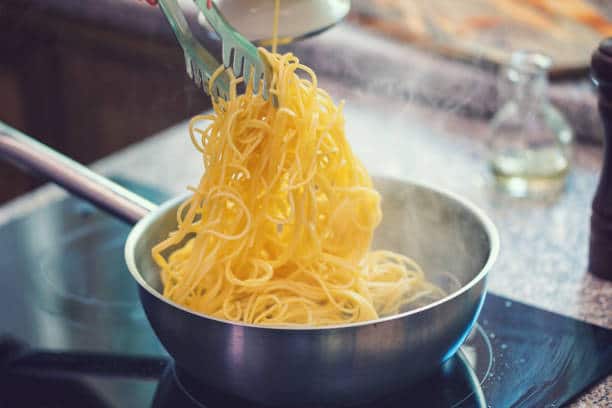
Celebrating Spaghetti

Jan 3, 2026 | Food Blog

Today’s Spotlight is on Spaghetti.

Spaghetti is a long, thin, solid, cylindrical pasta. It is a staple food of traditional Italian cuisine. It is made from milled wheat, water, and sometimes enriched with vitamins and minerals. Italian spaghetti is typically made from durum-wheat semolina. Spaghetti is a long, thin, cylindrical pasta that is a staple of traditional Italian cuisine.

Spaghetti is named for its “thin string” shape. It is versatile and can be paired with a variety of sauces, including:

  • Tomato sauces
  • Meat ragùs
  • Simple olive oil sauces like pesto
  • Rich cream sauces
  • Chunky sauces like Bolognese
  • Light or cream sauces

Spaghetti became a common food in the United States in the late 19th century when a large group of immigrants relocated from Italy to America. Today, pasta is generally cooked by boiling the dough.

Spaghetti can also be used as a form of slang to mean an embarrassing act, general awkwardness, or faux pas. If one commits such an act, it is called “dropping” spaghetti.


History

The origins of spaghetti are debated. Some historians believe pasta originated in Italy, while others believe it was introduced by Arab conquerors in the 8th century. The earliest known pasta was made from rice flour and was common in the east. The first written record of pasta comes from the Talmud in the 5th century AD.

The name “spaghetti” comes from the Italian word “spago” which means “little cord”. Antonio Viviani named spaghetti in 1842. Originally, spaghetti was 50cm long, but has been shortened to its current length of 25cm.

The legend goes that Marco Polo brought pasta to Italy from China in the 13th century. However, many historians believe the Chinese origins of Italian pasta are a myth.


Here are some fun facts about spaghetti:

  • Italians eat an average of 28 kg of spaghetti per year.
  • Italy produces an estimated 1.43 million tons of spaghetti per year.
  • The first confirmed mention of spaghetti comes from the 11th century AD.
  • Thin spaghetti served with tomato sauce dates back to the 19th century in Naples, Italy.
  • Spaghetti and meatballs were popular among Italian immigrants in New York City.
  • In 1888, Juliet Corson of New York published a recipe for pasta with meatballs and tomato sauce.


Spaghetti has changed in a few ways over the years:

  • Length – Spaghetti used to be 50 cm long, but shorter lengths became popular in the latter half of the 20th century. Today, spaghetti is usually 25–30 cm long.
  • Flavorings – Sweetness was replaced by savory flavors, and sugar was replaced by vegetables. Tomatoes were added in the early 19th century.
  • Shapes – Cooks invented more shapes to make pasta more suitable for different sauces. Today, there are more than 300 different types of pasta shapes.
  • Cooking time – Pasta wasn’t always served “al dente” or firm to the bite.
  • Extrusion – Most pasta makers use Teflon to extrude pasta. This process is faster, but it leaves pasta smooth and shiny with no surface for sauces to stick to.


The earliest known recipe for spaghetti in tomato sauce is from 1844. The earliest known pasta recipe is testaroli, which is from the southern Liguria and northern Tuscany regions of Italy. Testaroli is made from a batter that is cooked on a hot flat surface.

Here are some other early pasta recipes:

  • Pasta alla Gricia – This recipe was invented around 400 AD and was served in taverns in Ancient Rome.
  • Italian tomato sauce with pasta – This recipe was created by Francesco Leonardi, a Roman chef who lived in the late 1700s.

Here is a simple spaghetti recipe for you to try:

Ingredients:

  • 1 pound ground beef
  • 2 cubes beef bouillon
  • 1 (8-ounce) can tomato sauce
  • 1 (6-ounce) can tomato paste
  • black pepper to taste
  • 2 cups hot water
  • 2 teaspoons sugar white or brown
  • ½ teaspoon dried basil
  • ½ teaspoon dried oregano
  • dash of garlic
  • 16 ounces spaghetti noodles


Instructions:

  1. Brown the ground beef in a large skillet. (drain excess fat)
  2. Once cooked, throw in salt, pepper, tomato sauce and paste, water (with the bouillon cubes in it), sugar, basil, oregano, and garlic. Simmer on low for an hour.
  3. A few minutes before the hour is done, cook a box of spaghetti noodles as directed on package.
  4. Once the noodles are cooked, drain and add spaghetti sauce.
  5. Enjoy!


Consumption

Americans consume over 6 billion pounds of pasta each year, which is roughly 20 lbs per person. The United States produces 4.4 billion pounds of pasta annually, making it the second largest pasta-producing nation.

Spaghetti is the number one noodle choice for 68% of Americans. In a Zagat survey, 44% of people said they eat pasta twice a week, 23% eat it 3-4 times a week, and 21% eat it at least a few times every month. Italians are the heaviest pasta consumers, with a per capita consumption of 23.5 kg.


Celebrating Spaghetti

National Spaghetti Day is on January 4th. There are many places to get spaghetti in most large cities, including Italian restaurants, casual restaurants, and other restaurants. Let us know in the comments how you will celebrate Spaghetti, no matter what day it is.

0 Comments

Submit a Comment

Your email address will not be published. Required fields are marked *

Subscribe to our Blog to receive more content like this. Click here to subscribe.

Be sure to watch our shows on QVC+  or our YouTube channel

Give us your feedback on our Social Channels 

FacebookInstagramTik TokLinkedInPinterestTwitter  

National Peaches and Cream Day

National Peaches and Cream Day

National Peaches and Cream Day is celebrated annually in the United States. This day commemorates the day in 1869 when druggist Thomas H. Brewer mixed together the first batch of the delicious fruit combo of juicy peaches and creamy milk or cream. He called it "Cream Peach".
National Peaches and Cream Day is thought to have started in the early 1900s as a way to promote the dairy and fruit industries. Whatever the reason for its creation, we are sure glad that this day exists so that we can all enjoy some peach-y goodness!

Read More

National Vanilla Milkshake Day

National Vanilla Milkshake Day

National Vanilla Milkshake Day is celebrated on June 20 and it's all about celebrating the original vanilla milkshake. It's made by blending milk, ice cream, and vanilla for a classic style beverage.

The vanilla milkshake has an interesting history. In 1885, the term “milkshake” showed up in print for the first time. The word milkshake combines the word 'milk', from the Old English 'milc' or 'meoluc', and the word 'shake', from the Old English 'sceacan' meaning 'move quickly back and forth'. The concoction of cream, eggs, and whiskey was often served with other alcoholic tonics such as lemonades and soda waters. Who has been holding out on this recipe? Don’t worry, we have it for you here:

Read More

National Martini Day

National Martini Day

Today is National Martini Day. National Martini Day is thought to have started in the 1940s, when the popularity of the martini drink began to rise. It's likely that people began celebrating the day as a way to honor the classic cocktail.

The martini is believed to have originated in the United States in the late 1800s by a bartender in either New York or San Francisco, however no one is certain. It was created by mixing gin and vermouth, an Italian fortified wine. The earliest known martini recipe was found in the 1888 book, "The Bartender's Guide" by Jerry Thomas. The recipe called for one-third gin and two-thirds French vermouth with a dash of orange bitters.

Read More

International Picnic Day

International Picnic Day

Today is International Picnic Day. International Picnic Day is believed to have originated in the late 18th century when an open-air meal enjoyed by friends became popular among the upper classes in France. It is thought to have been started by King Louis XVI and Marie Antoinette. The trend quickly spread throughout Europe, and eventually around the world. Today, many countries celebrate International Picnic Day to commemorate this long-standing tradition.

Picnics originated in the late 1700s as a way for the upper classes in Europe to enjoy an outdoor meal with friends. These gatherings typically featured elaborate arrangements of food and décor, often with musicians or performers to entertain the guests. Picnics were a way to socialize and enjoy nature and good company.

Read More

National Apple Strudel Day

National Apple Strudel Day

Today is National Apple Strudel Day. National Apple Strudel Day was started by a group of pastry chefs in Austria in the late 1990s. They wanted to honor the country's traditional food, and they decided to dedicate a day to the celebration of the iconic dessert. The chefs chose this day, and the holiday has been celebrated ever since.

Strudel has been a staple of Austrian cuisine for centuries, and it remains a favorite today. The history of apple strudel dates back to the 16th century, when it became popular in Austria, Germany, and Hungary. The traditional strudel is filled with apples, raisins, cinnamon, and sugar and can be served as a dessert or a snack.

Read More

National Lobster Day

National Lobster Day

National Lobster Day was started by the Lobster Institute at the University of Maine in 1974. The Lobster Institute is a non-profit organization dedicated to research, education, and outreach of lobster and the lobster industry. The day was created to celebrate the lobster industry and the iconic seafood.

And as fate would have it, National Lobster Day is observed during the peak of the lobster season. In the United States, the peak of the season usually starts in late May and runs through late October or early November.

Read More

National Strawberry Shortcake Day

National Strawberry Shortcake Day

Today is National Strawberry Shortcake Day a holiday to honor the classic strawberry shortcake dessert and its place in American food culture.

Strawberry shortcake has a long and storied history. The dessert is believed to have its origins in Britain, where it was served as early as the 16th century.

The earliest known recipe for strawberry shortcake appears in the book The Accomplisht Cook by Robert May, which was published in 1685. This recipe is for a dessert made with a mixture of flour, butter, eggs, cream, and sugar, which is rolled out into a shortbread-like dough and then topped with strawberries and cream. The recipe was most likely an adaptation of the traditional British trifle.

Read More

National Cupcake Lovers Day

National Cupcake Lovers Day

National Cupcake Lovers Day began as an online celebration in 2009. It was created by the founders of Cupcake Lovers, a website dedicated to cupcake recipes, reviews, and more. Since then, it has grown into an international day of celebration, with people around the world celebrating the joy of cupcakes on the same day each year.


Were cupcakes originally made in cups?

Yes, cupcakes were originally made in individual molds, rather than muffin tins. The name "cupcake" comes from the fact that the batter was poured or dropped into cups or molds. The cakes were then baked in the oven, and after cooling, they were removed from the molds.

Read More

National Jerky Day

National Jerky Day

Today is National Jerky Day.

This holiday was created by the National Jerky Association in order to celebrate the popular snack. The goal was to bring together jerky lovers everywhere to celebrate the nutritious and delicious snack.

Jerky has been around since ancient times. It was first made by Native Americans and was used as a way to preserve meat. Native Americans would dry strips of meat over a fire or in the sun to make jerky. The meat would be cut into thin strips and then salted and spiced before being left to dry. This process allowed them to preserve the meat and keep it edible for long periods of time. As the meat dried, it would become tough and chewy.

Read More

Corn on the Cob Day

Corn on the Cob Day

The holiday of Corn on the Cob Day has been celebrated since at least the 1950's.

Corn, or maize, is a member of the grass family and is believed to have been domesticated in Mexico around 9,000 years ago. Corn was an important part of the diets of many Native American tribes, including the Iroquois, Algonquian, and Pueblo tribes. By the time of European colonization, corn had spread throughout the Americas and was cultivated extensively by many tribes. Corn was introduced to Europe by explorers in the 15th century, and by the 17th century, it had become a common crop in many parts of Europe.

Read More

Pin It on Pinterest