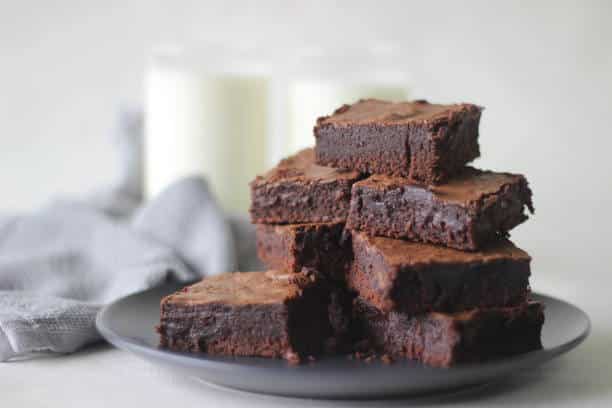
Celebrating Brownies

Dec 7, 2025 | Food Blog

Today’s Spotlight is on Brownies.

Brownies are an American dessert made with chocolate. They are similar to cake but are denser and heavier because they are not leavened with baking powder. Brownies are named after the color brown and taste like a cross between a cake and a cookie.

A chocolate brownie, or simply a brownie, is a chocolate baked confection. Brownies come in a variety of forms and may be either fudgy or cakey, depending on their density. Brownies often, but not always, have a glossy “skin” on their upper crust.

Brownies are typically made with:

  • Chocolate, Eggs, Butter, Sugar, Flour, Salt, Vanilla extract.

Brownies can be fudgy or cakey, depending on their density. There are three types of brownie recipes: Fudgy, Chewy, Cakey.

But brownies don’t have to be chocolate. Blondies are a variation of brownies that are made with brown sugar and vanilla instead of chocolate. Blondies are typically cake-like in texture.

Brownies can also contain other ingredients, such as:

Nuts, Frosting, Chocolate chips, Extracts, Cacao powder, baking powder.

The three types of brownies are fudgy, chewy, and cakey. The types are distinguished by their texture and taste.

  • Fudgy: Dense, gooey, and extra-moist.
  • Chewy: Slightly crispy edge, moist, and slightly gooey inside.
  • Cayky: Light, moist, and airy, with a slightly fluffy, cake-like interior.

Fudgy brownies have a higher fat-to-flour ratio than cakey brownies. Cakey brownies have a higher composition of flour and rely on baking powder for leavening. The amount of sugar and eggs does not change whether you’re going fudgy or cakey.


Are Brownies Cookies or Cake?

Brownies are classified as a cookie bar in America. They are considered cookies because they are finger food, while cakes are usually eaten with a fork. Brownies are also cut into small squares.

Brownies are more similar to cookies than cakes. Cakes are soft and fluffy, while brownies are crunchy and dense.

Brownies also have a higher liquid/fat content, so they are formed from a batter. Cookies have a higher flour content, so they are formed from dough.

Brownies are also different from cakes because they contain more chocolate and don’t use leavening agents like baking powder or baking soda.


History

Brownies appear to have originated in the late 1880s. The first reference to the word “brownie” in America appears in the Sears Roebuck Catalog published in Chicago in 1898.

Brownies were invented in 1893 at the Palmer House Hotel in Chicago. Bertha Palmer, the wife of the hotel’s owner, asked the pastry chef to create a portable dessert for the World’s Columbian Exposition. The chef, Joseph Sehl, created a chocolate cake-like treat that could be easily boxed and transported.

The name “brownie” originated in the late 19th century to describe a dark brown bar cookie. The name was applied to both chocolate and non-chocolate versions. The usage eventually standardized on chocolate brownies.

The earliest-known published recipes for a modern style chocolate brownie appeared in:

  • Home Cookery (1904, Laconia, NH)
  • Service Club Cookbook (1904, Chicago, IL)
  • The Boston Globe (April 2, 1905)
  • Fannie Farmer’s cookbook (1906)


Here are some fun facts about brownies:

  • One story suggests that the first brownie was created by accident when the baker didn’t have baking powder.
  • The name “brownie” comes from the color of the dessert and the mythical pixie-like characters in children’s stories.
  • The first brownies were decorated with an apricot glaze and a layer of walnuts.
  • The recipe was modified in 1905 to include chocolate, which made brownies even more popular.
  • The world’s largest brownie weighed 3,000 pounds.


Here is a Brownie Recipe for you to try:

Ingredients:

  • 5 tablespoons (71 grams) unsalted butter
  • 1 1/4 cups (249 grams) granulated sugar
  • 2 large eggs plus 1 egg yolk, cold
  • 1 teaspoon vanilla extract
  • 1/3 cup vegetable oil
  • 3/4 cup (75 grams) unsweetened cocoa powder
  • 1/2 cup (63 grams) all-purpose flour
  • 1/8 teaspoon baking soda
  • 1 tablespoon cornstarch
  • 1/4 teaspoon salt
  • 3/4 cup (128 grams) semisweet chocolate chips


Instructions:

  1. Preheat the oven to 325°F. Line a 8 by 8-inch pan with foil or parchment paper and spray with nonstick cooking spray.
  2. In a microwave safe bowl, add the butter and sugar. Microwave for about 1 minute, or until the butter is melted. Whisk in the eggs, egg yolk, and vanilla. Stir in the oil and cocoa powder.
  3. With a rubber spatula, stir in the flour, baking soda, cornstarch, and salt until combined. Stir in the chocolate chips.
  4. Spread the brownie batter evenly into the prepared pan. Place in the oven and bake for 30 minutes, or until the brownies are set and a cake tester inserted into the center has moist crumbs attached. Do not overcook. Let cool completely before cutting and serving.
  5. Enjoy!


Consumption

Brownies are a classic American dessert. They are also popular in Canada and the United Kingdom. In the United States, brownies are a common homemade treat. They are also popular in restaurants, ice cream parlors, and coffeehouses. An increasing number of brownies are ready-made and individually wrapped.

According to a Betty Crocker Brownie Survey, Americans eat about 4 billion brownies a year. However, other sources say that Americans eat about 1.5 billion brownies per year. On average, brownies are consumed 2.04 times every year.

Brownies can be addictive because they contain ingredients that trigger reward pathways in the brain:

  • Dopamine – When you eat pleasurable foods, your brain releases dopamine, which can create a pleasurable sensation and reinforce the desire for more.
  • Enkephalin – Chocolate contains enkephalin, a natural brain chemical that triggers opioid receptors similar to those triggered by heroin and morphine use. This chemical leads the brain to desire more after chocolate is initially consumed, which can lead to addiction.
  • Sugar and fat – Chocolate contains ingredients like sugar and fat that also exist in other addictive foods. These ingredients can trigger reward pathways in the brain.

Other reasons why brownies are addictive include:

  • They are super delicious.
  • They have a rich chocolate flavor.
  • They have an ooey-gooey/soft texture.
  • They’re not too dry to munch.
  • They’re sweet.


Celebrating Brownies

There are a couple of days dedicated to celebrating brownies:

  • National Brownie Day is celebrated annually on December 8.
  • National Have a Brownie Day is celebrated on February 10.

Let us know in the comments which day, including others you decide on, that you celebrate brownies?

0 Comments

Submit a Comment

Your email address will not be published. Required fields are marked *

Subscribe to our Blog to receive more content like this. Click here to subscribe.

Be sure to watch our shows on QVC+  or our YouTube channel

Give us your feedback on our Social Channels 

FacebookInstagramTik TokLinkedInPinterestTwitter  

National Vanilla Milkshake Day

National Vanilla Milkshake Day

National Vanilla Milkshake Day is celebrated on June 20 and it's all about celebrating the original vanilla milkshake. It's made by blending milk, ice cream, and vanilla for a classic style beverage.

The vanilla milkshake has an interesting history. In 1885, the term “milkshake” showed up in print for the first time. The word milkshake combines the word 'milk', from the Old English 'milc' or 'meoluc', and the word 'shake', from the Old English 'sceacan' meaning 'move quickly back and forth'. The concoction of cream, eggs, and whiskey was often served with other alcoholic tonics such as lemonades and soda waters. Who has been holding out on this recipe? Don’t worry, we have it for you here:

Read More

National Martini Day

National Martini Day

Today is National Martini Day. National Martini Day is thought to have started in the 1940s, when the popularity of the martini drink began to rise. It's likely that people began celebrating the day as a way to honor the classic cocktail.

The martini is believed to have originated in the United States in the late 1800s by a bartender in either New York or San Francisco, however no one is certain. It was created by mixing gin and vermouth, an Italian fortified wine. The earliest known martini recipe was found in the 1888 book, "The Bartender's Guide" by Jerry Thomas. The recipe called for one-third gin and two-thirds French vermouth with a dash of orange bitters.

Read More

International Picnic Day

International Picnic Day

Today is International Picnic Day. International Picnic Day is believed to have originated in the late 18th century when an open-air meal enjoyed by friends became popular among the upper classes in France. It is thought to have been started by King Louis XVI and Marie Antoinette. The trend quickly spread throughout Europe, and eventually around the world. Today, many countries celebrate International Picnic Day to commemorate this long-standing tradition.

Picnics originated in the late 1700s as a way for the upper classes in Europe to enjoy an outdoor meal with friends. These gatherings typically featured elaborate arrangements of food and décor, often with musicians or performers to entertain the guests. Picnics were a way to socialize and enjoy nature and good company.

Read More

National Apple Strudel Day

National Apple Strudel Day

Today is National Apple Strudel Day. National Apple Strudel Day was started by a group of pastry chefs in Austria in the late 1990s. They wanted to honor the country's traditional food, and they decided to dedicate a day to the celebration of the iconic dessert. The chefs chose this day, and the holiday has been celebrated ever since.

Strudel has been a staple of Austrian cuisine for centuries, and it remains a favorite today. The history of apple strudel dates back to the 16th century, when it became popular in Austria, Germany, and Hungary. The traditional strudel is filled with apples, raisins, cinnamon, and sugar and can be served as a dessert or a snack.

Read More

National Lobster Day

National Lobster Day

National Lobster Day was started by the Lobster Institute at the University of Maine in 1974. The Lobster Institute is a non-profit organization dedicated to research, education, and outreach of lobster and the lobster industry. The day was created to celebrate the lobster industry and the iconic seafood.

And as fate would have it, National Lobster Day is observed during the peak of the lobster season. In the United States, the peak of the season usually starts in late May and runs through late October or early November.

Read More

National Strawberry Shortcake Day

National Strawberry Shortcake Day

Today is National Strawberry Shortcake Day a holiday to honor the classic strawberry shortcake dessert and its place in American food culture.

Strawberry shortcake has a long and storied history. The dessert is believed to have its origins in Britain, where it was served as early as the 16th century.

The earliest known recipe for strawberry shortcake appears in the book The Accomplisht Cook by Robert May, which was published in 1685. This recipe is for a dessert made with a mixture of flour, butter, eggs, cream, and sugar, which is rolled out into a shortbread-like dough and then topped with strawberries and cream. The recipe was most likely an adaptation of the traditional British trifle.

Read More

National Cupcake Lovers Day

National Cupcake Lovers Day

National Cupcake Lovers Day began as an online celebration in 2009. It was created by the founders of Cupcake Lovers, a website dedicated to cupcake recipes, reviews, and more. Since then, it has grown into an international day of celebration, with people around the world celebrating the joy of cupcakes on the same day each year.


Were cupcakes originally made in cups?

Yes, cupcakes were originally made in individual molds, rather than muffin tins. The name "cupcake" comes from the fact that the batter was poured or dropped into cups or molds. The cakes were then baked in the oven, and after cooling, they were removed from the molds.

Read More

National Jerky Day

National Jerky Day

Today is National Jerky Day.

This holiday was created by the National Jerky Association in order to celebrate the popular snack. The goal was to bring together jerky lovers everywhere to celebrate the nutritious and delicious snack.

Jerky has been around since ancient times. It was first made by Native Americans and was used as a way to preserve meat. Native Americans would dry strips of meat over a fire or in the sun to make jerky. The meat would be cut into thin strips and then salted and spiced before being left to dry. This process allowed them to preserve the meat and keep it edible for long periods of time. As the meat dried, it would become tough and chewy.

Read More

Corn on the Cob Day

Corn on the Cob Day

The holiday of Corn on the Cob Day has been celebrated since at least the 1950's.

Corn, or maize, is a member of the grass family and is believed to have been domesticated in Mexico around 9,000 years ago. Corn was an important part of the diets of many Native American tribes, including the Iroquois, Algonquian, and Pueblo tribes. By the time of European colonization, corn had spread throughout the Americas and was cultivated extensively by many tribes. Corn was introduced to Europe by explorers in the 15th century, and by the 17th century, it had become a common crop in many parts of Europe.

Read More

National Iced Tea Day

National Iced Tea Day

National Iced Tea Day is observed on June 10th each year and celebrates the popular beverage. Iced tea has been around for centuries, although it has changed significantly over time. The earliest known iced tea recipes date back to the 1700s, when British people mixed tea with ice and other ingredients to make a cold drink.

The earliest published recipe for iced tea appears in a book published in 1879 called Housekeeping in Old Virginia. The recipe calls for green tea, sugar, and ice cubes and is described as a "delicious and healthful beverage for warm weather."

Read More

Pin It on Pinterest