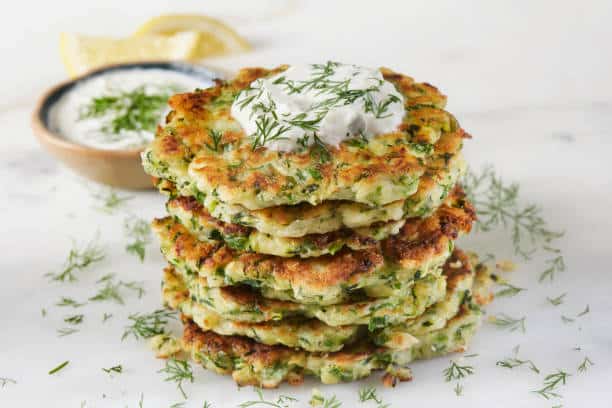
Celebrating Fritters

Dec 1, 2025 | Food Blog

Today’s Spotlight is on Fritters.

A fritter is a portion of meat, seafood, fruit, vegetables, or other ingredients which have been battered or breaded, or just a portion of dough without further ingredients, that is deep-fried. Fritters are prepared in both sweet and savory varieties.

A fritter is a piece of food that is coated in batter and deep-fried. Fritters can be made with:

  • Meat, Seafood, Fruit, Vegetables, Dough, Cooked rice.

Fritters can be sweet or savory. For example, apple fritters are a dessert made with doughnut batter, apples, and cinnamon. Calas are a Creole breakfast fritter made with sweet batter, cooked rice, and confectioner’s sugar.

Fritters and donuts are both fried and made with batter. However, they differ in the following ways:

  • Dough: Donuts are made with yeast-risen dough, while fritters are made with chemically-risen dough.
  • Filling: Donuts are fried and then filled with cream or other fillings. Fritters have their fillings folded into the batter before they’re fried.
  • Holes: Donuts have holes in the middle.

Apple fritters are a type of fritter that are filled with apples and cinnamon. They are similar in shape and size to donuts, but the batter isn’t yeasted.

Fritters are popular in many cuisines, including:

  • Caribbean
  • Mexican
  • South-east Asian
  • American


History

The word “fritter” comes from the Latin word frictura which means “fried” or “to fry”. The word “frictura” comes from the Latin word frigere, which means “to roast or fry”.

Fritter-type foods can be traced back to the Romans, who introduced the recipe to Europe. The precursor to the fritter was called scriblitas and was made by frying dough in hot fat.

Fritters were common dishes in the Middle Ages. The Scots have been eating chicken fritters since the Middle Ages.

Here are some other places where fritters originated:

  • Indonesia: Chinese immigrants brought fritters to Indonesia.
  • Southern United States: Corn fritters were probably invented in the Southern United States.
  • Japan: The Portuguese and Spanish introduced the batter-frying technique to Japan in the late 16th century.

Apple fritters originated in Europe. The first mention of an apple fritter recipe was in England in 1390.


Here is an historic Apple Fritter Recipe for you to Try:

Apple fritters are made by:

  1. Coring apples
  2. Slicing them horizontally
  3. Battering and frying them
  4. Sprinkling them with powdered or cinnamon sugar

The batter for sweet fritters in medieval times usually contained wine or ale.

Here’s an apple fritter recipe from 1828:

  1. Beat five eggs separately.
  2. Add a pint of milk and a little salt.
  3. Beat in flour enough to make a light batter.
  4. Fry a large spoonful at a time in clear, hot lard.


Fritters can fall apart for a variety of reasons, including:

  • Not enough binder
  • Sticking to the pan
  • Wet batter
  • Mushy fritters
  • Soaking up excess oil


Here is a modern Apple Fritter Recipe for you to try:

Ingredients:

APPLE FRITTERS

  • 1 1/2 cups all-purpose flour
  • 1/4 cup sugar
  • 2 teaspoons baking powder
  • 1/2 teaspoon salt
  • 1 1/2 teaspoons cinnamon
  • 1/3 cup milk
  • 2 eggs
  • 3 tablespoons applesauce
  • 2 large Granny Smith apples or Honey Crisp apples peeled, cored and diced.
  • canola oil or vegetable oil for frying

GLAZE

  • 2 cups powdered sugar.
  • 1/4 cup milk
  • 1/2 teaspoon vanilla extract

Instructions:

  1. Whisk together flour, sugar, baking powder, salt, and cinnamon in a medium bowl. Make a well in the center and add 1/3 cup milk, eggs and applesauce. Stir just to combine. Fold in apples.
  2. Heat 1 1/2 inches of oil in heavy skillet, Dutch oven or deep fryer to 375 degrees. Drop about 1/4 cup of batter per fritter into hot oil; spreading it out as you drop. Cook each side until golden brown; approximately 2 minutes per side.  Use a slotted spoon to remove paper towels to drain.
  3. Whisk together 1/4 cup milk, powdered sugar and vanilla. Dunk each fritter in the glaze turning over to make sure both sides coated. Place on wire racks to air dry and drip.
  4. Enjoy!


Here are some tips to help keep fritters together:

  • Use enough oil.
  • Don’t flip too soon or too much.
  • Use a non-stick cooking pan.
  • Stir in a little more flour.
  • Cook them through completely.
  • Get the skillet searing hot.
  • Don’t over-mix the batter.
  • Don’t overcrowd the pan when frying.
  • Use a candy thermometer to track the temperature of the oil.
  • Use a Dutch oven or heavy pot to help the oil hold its temperature.


Here are some fun facts about fritters:

  • Fritters are easy to cook.
  • They can be sweet or savory.
  • They can be an appetizer, dessert, or entrée.
  • The first historical record of the fritter dates back to 1665.
  • In Japan, they’re known as tempura.
  • In China, they’re sold on roadsides containing mostly vegetables with occasional pork.
  • In Iran, it’s called kuku sibzamini – a saffron potato fritter.
  • In South America, traditional corn fritters will use melted butter, milk, flour, egg, and corn kernels.
  • Corn fritters are often mistaken for Johnnycakes.


Fritters are also popular in:

Japan, where they’re known as tempura.

China, where they’re sold on roadsides.

Iran, where they’re called kuku sibzamini.


Celebrating Fritters

There are two holidays that celebrate fritters:

  • National Fritters Day: Celebrated on December 2nd
  • National Corn Fritters Day: Celebrated on July 16th

National Fritters Day is an unofficial holiday that celebrates all types of fritters, including those made with vegetables, fruits, or meat. National Corn Fritters Day celebrates corn fritters, which are made with a batter or dough that uses a large quantity of maize.

Let us know in the comments how you plan to celebrate or who makes your favorite fritter.

0 Comments

Submit a Comment

Your email address will not be published. Required fields are marked *

Subscribe to our Blog to receive more content like this. Click here to subscribe.

Be sure to watch our shows on QVC+  or our YouTube channel

Give us your feedback on our Social Channels 

FacebookInstagramTik TokLinkedInPinterestTwitter  

National Ice Cream Pie Day

National Ice Cream Pie Day

Today’s Spotlight is shining on Ice Cream Pie.
Ice cream pie is a frozen dessert made with a sweet crust, creamy ice cream, and whipped cream topping. The crust can be made from a standard pastry, crumbled cookies, or graham cracker. The ice cream can be filled with your favorite flavors and topped with hot fudge or more whipped cream.

Read More

Celebrate National Cheeseburger Day

Celebrate National Cheeseburger Day

Today’s Spotlight is on the Cheeseburger.
A cheeseburger is a grilled sandwich made of a patty of ground meat, topped with a slice of cheese, and placed between two halves of a bun. The patty is often seasoned with chopped onions, spices, or breadcrumbs before cooking. The cheese is added near the end of the cooking time. The burger is then placed in a bun and topped with condiments like lettuce, tomato slices, onion slices, pickles, and ketchup. The bun should be slightly crunchy on the outside and soft inside. The cheese should be melting over the meat.

Read More

National Vanilla Custard Day

National Vanilla Custard Day

Today’s Spotlight is on Vanilla Custard.
Custard is a culinary preparation made with milk or cream, egg yolks, sugar and vanilla. Depending on its consistency, custard can be served on its own or used as a filling for other desserts or dessert sauce. It can be served warm or cold and is often combined with fruits and cookies to create other dessert dishes. Vanilla custard contains egg yolks which gives it a yellow color.

Read More

National Bratwurst Day

National Bratwurst Day

Today’s Spotlight is on Bratwurst.
Bratwurst is a type of German sausage, also known as a "brat". It's typically made from pork and veal, but can also be made with beef, or any combination of meat. Bratwurst has a smooth texture, pale color, and mild flavor. It can be seasoned with salt, white pepper, nutmeg, lemon peel, marjoram, caraway, and garlic. They are often consumed for breakfast in German cities.
Bratwurst is prepared and stored fresh, so it doesn't have a long shelf life like a sausage can. It's usually grilled or fried in a pan

Read More

National Rum Day

National Rum Day

Today’s spotlight is on Rum.
Rum is a liquor that is distilled from sugarcane or sugarcane byproducts such as molasses or sugarcane juice. The sugarcane is fermented and then distilled, producing a clear liquid that is often aged in oak barrels. This aging process gives the final product its characteristic color and flavor.
Rum has a typical alcohol concentration of 40% ABV. Some rum is "overproof," meaning that it has an alcohol concentration of at least 57.5% ABV. Most overproof rum exceeds this minimum, usually reaching 75.5% ABV, which is equivalent to 151 proof.

Read More

National Lemon Meringue Pie Day

National Lemon Meringue Pie Day

Today’s spotlight is on Lemon Meringue Pie.
Lemon meringue pie is a dessert pie consisting of a shortened pastry base filled with lemon curd and topped with meringue. Lemon meringue pie has a buttery, flaky, and crispy pie crust. The filling is jelly-like, translucent, and smooth, and is yellow due to the lemon juice, lemon rind, butter, and egg yolk. The pastry is thin and flat due to being rolled out using a rolling pin. During baking, the edges turn golden brown.

Read More

National Filet Mignon Day

National Filet Mignon Day

Today’s Spotlight is on Filet Mignon.
Filet mignon is a cut of beef from the small end of the tenderloin, or psoas major, which is located near the spine of the cow. The tenderloin runs along both sides of the spine and is usually butchered as two long snake-shaped cuts of meat. The tenderloin is sometimes sold whole. The tenderloin is the most well-known muscle on a cow and is also the most tender. Filet mignon is a lean cut of beef, which means you'll enjoy a fork-tender steak without much fat or connective tissue.
Filet mignon is one of the most tender and milder cuts of steak, making it a favorite among steak lovers. It's also one of the most expensive cuts of steak, due to its prized texture and that it's only about 2 to 3% of the total animal.

Read More

National Kool-Aid Day

National Kool-Aid Day

Today’s spotlight is on the flavored water treat known as Kool-Aid.
Kool-Aid is an American brand of flavored drink mix. It's typically made with sugar, water, and artificial colorings. The powder form was created in 1927 by Edwin Perkins based on a liquid concentrate called Fruit Smack. Kool-Aid is owned by Kraft Heinz, based in Chicago, Illinois.

Read More

National Smores Day

National Smores Day

Today’s spotlight is on a fireside favorite – S’mores.
S'mores are a confection made of toasted marshmallows and chocolate sandwiched between two graham crackers. They are a traditional camping snack that are popular in the United States and Canada. S'mores are traditionally cooked over a campfire and warmed over an open flame until melted and gooey.

Read More

National Rice Pudding Day

National Rice Pudding Day

Today’s Spotlight is on Rice Pudding.
Rice pudding is a creamy mixture of rice and milk and other ingredients such as cinnamon, vanilla and raisins. It's cooked until it's thick and soft. It can be sweet or savory. Variants are used for either desserts or dinners. When used as a dessert, it is commonly combined with a sweetener such as sugar. American rice pudding often uses leftover rice and can be baked in the oven or cooked on the stove.

Read More

Pin It on Pinterest