Celebrating Scrapple

Nov 8, 2025 | Food Blog

Today’s Focus is on Scrapple.

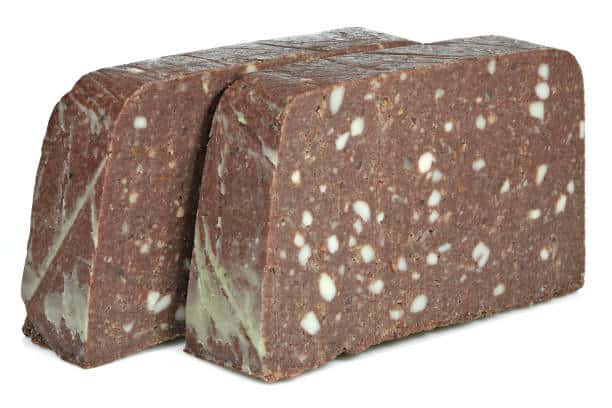
Scrapple, also known by the Pennsylvania Dutch name Pannhaas is traditionally a mush of pork scraps and trimmings combined with cornmeal and wheat flour, often buckwheat flour, and spices. The mush is formed into a semi-solid set loaf, and slices of the scrapple are then pan-fried before serving.

Scrapple is a Pennsylvania Dutch dish made from pork scraps, cornmeal, and spices. It’s also known by the name Pannhaas, which translates to “pan tenderloin” in English.

To make scrapple, the ingredients are cooked separately and then combined in a loaf pan to chill. The loaf is then sliced and served.

Scrapple is often spiced with sage and pepper. It’s usually served as a breakfast side dish, often with syrup.

Scrapple is made from:

  • Pork scraps, including meat, skin, and organs like liver and tongue.
  • Cornmeal or buckwheat
  • Wheat flour
  • Salt
  • A blend of spices that varies by producer.

Scrapple is a specialty of the Pennsylvania Dutch. It’s also popular in Delaware and the surrounding states.


History

Scrapple was invented in the 17th and 18th centuries by German colonists who settled near Philadelphia and Chester County, Pennsylvania. The colonists were farmers who needed to use every part of the pig. They came up with a recipe for a pork-based loaf that could be sliced and fried.

The name “scrapple” comes from the Pennsylvania Dutch word pan haas, which translates to “pan hare” or “rabbit”. The German word pan haas describes rabbit that has been pan-fried, which is a similar cooking method to modern scrapple.

The “scrap” in scrapple doesn’t mean low-quality parts. It refers to what hadn’t been used in making other foods, like sausage. The addition of flour or meal made the meat go further and added to the unique texture.

In 1863, Isaac S. Habbersett began mass-producing scrapple in Middletown (Media), Delaware County, Pennsylvania. Habbersett is one of the oldest brands in scrapple production.


Here are some fun facts about scrapple:

  • Scrapple was eaten before it came to America.
  • Delaware holds an annual scrapple festival in October.
  • Dogfish Head made a scrapple beer.
  • Scrapple can be fried in butter or oil, deep-fried, or broiled.


Scrapple can be served with sweet or savory condiments, including:

  • Apple butter
  • Ketchup
  • Jelly
  • Maple syrup
  • Honey
  • Mustard

Scrapple can also be topped with other ingredients, including Sage, Buckwheat flour, Venison, Beef, Chicken.


Here is a Scrapple Recipe for you to try:

Ingredients:

  • 14 oz liver or a blend of organs like liver, kidney, and heart cut into medium-sized chunks
  • 1 10 oz chunk of bone with meat attached, preferably a shank such as a lamb or deer shank, or soup bones. Or substitute 4 ounces of cooked meat.
  • 2 cups fine cornmeal
  • ¼ cup buckwheat flour
  • ½ cup yellow onion diced small
  • 18 grams (1 level tablespoon) kosher salt This may seem like a lot of salt, but remember this is a breakfast “meat” like bacon or sausage. If you’re sensitive to salt, use 2.5 teaspoons.
  • 6 cups water
  • Maple syrup small amounts for serving (optional)
  • 2 dried bay leaves
  • 5 teaspoons


Spice Mix Ingredient:

  • ¾ teaspoon fresh ground black pepper
  • ¼ teaspoon fresh ground nutmeg
  • ¼ teaspoon fresh ground cinnamon
  • ¼ teaspoon fresh ground allspice


Instructions:

  1. Cover soup bones or shank and onion with the 6 cups of water, add the bay leaves, cover with a lid, then simmer on medium heat or bake at 300 for 2 hours or until very tender.
  2. Chill the shank until cool enough to handle. Remove the meat with a slotted spoon and set aside. Strain the broth and reserve. There should be exactly 4 cups of liquid, if there isn’t add enough water or stock to make up the difference.
  3. Cut the liver, heart or other organs into roughly 1 oz pieces.
  4. Remove the meat from the shank bone, then put the shank meat, cooked onion and organs in a meat grinder, or process n a food processor until fine. Sweat the meat mixture to evaporate the water in a saute pan for 2-3 minutes, then reserve, and allow to cool, covered.
  5. Meanwhile, Whisk the cornmeal and buckwheat flour with the salt and spices, and combine with the 4 cups of cooking liquid in a saucepot big enough to hold it. Heat the mixture, whisking constantly until it thickens, then turn the heat down to low and cook for 15 minutes.
  6. Add the cooked meat to the cornmeal mixture, and continue cooking, stirring occasionally to prevent sticking on the bottom for another 30 minutes. You can also bake the mixture at 300 for 30 minutes, or until very thick, as long as it’s covered.
  7. When the mixture is very solid and the cornmeal is well cooked, pour the mixture into a greased loaf pan, there may be a small amount of excess. Chill the scrapple, uncovered on a counter until room temperature, then refrigerate, covered with plastic wrap until completely set before slicing.
  8. To serve the scrapple, cut ½ inch slices and fry until crisp on medium-high heat on both sides. Serve for breakfast or lunch, with maple syrup on the side, if you like.
  9. Enjoy!


Consumption

It’s uncommon to make scrapple at home. The two largest brands of scrapple are Habbersett and Rapa, which are both owned by Jones Dairy Farm. Habbersett is available in most mid-Atlantic stores.

Scrapple is primarily eaten in the southern Mid-Atlantic region of the United States, including:

Delaware, Maryland, South Jersey, Pennsylvania, Virginia, Washington, D.C.

Scrapple and panhaas are commonly considered an ethnic food of the Pennsylvania Dutch, including the Mennonites and Amish. Scrapple is found in supermarkets.


Celebrating Scrapple

National Scrapple Day is celebrated on November 9th each year.

Let us know in the comments if you are a fan of scrapple and how you like your prepared.

0 Comments

Submit a Comment

Your email address will not be published. Required fields are marked *

Subscribe to our Blog to receive more content like this. Click here to subscribe.

Be sure to watch our shows on QVC+  or our YouTube channel

Give us your feedback on our Social Channels 

FacebookInstagramTik TokLinkedInPinterestTwitter  

National Vanilla Milkshake Day

National Vanilla Milkshake Day

National Vanilla Milkshake Day is celebrated on June 20 and it's all about celebrating the original vanilla milkshake. It's made by blending milk, ice cream, and vanilla for a classic style beverage.

The vanilla milkshake has an interesting history. In 1885, the term “milkshake” showed up in print for the first time. The word milkshake combines the word 'milk', from the Old English 'milc' or 'meoluc', and the word 'shake', from the Old English 'sceacan' meaning 'move quickly back and forth'. The concoction of cream, eggs, and whiskey was often served with other alcoholic tonics such as lemonades and soda waters. Who has been holding out on this recipe? Don’t worry, we have it for you here:

Read More

National Martini Day

National Martini Day

Today is National Martini Day. National Martini Day is thought to have started in the 1940s, when the popularity of the martini drink began to rise. It's likely that people began celebrating the day as a way to honor the classic cocktail.

The martini is believed to have originated in the United States in the late 1800s by a bartender in either New York or San Francisco, however no one is certain. It was created by mixing gin and vermouth, an Italian fortified wine. The earliest known martini recipe was found in the 1888 book, "The Bartender's Guide" by Jerry Thomas. The recipe called for one-third gin and two-thirds French vermouth with a dash of orange bitters.

Read More

International Picnic Day

International Picnic Day

Today is International Picnic Day. International Picnic Day is believed to have originated in the late 18th century when an open-air meal enjoyed by friends became popular among the upper classes in France. It is thought to have been started by King Louis XVI and Marie Antoinette. The trend quickly spread throughout Europe, and eventually around the world. Today, many countries celebrate International Picnic Day to commemorate this long-standing tradition.

Picnics originated in the late 1700s as a way for the upper classes in Europe to enjoy an outdoor meal with friends. These gatherings typically featured elaborate arrangements of food and décor, often with musicians or performers to entertain the guests. Picnics were a way to socialize and enjoy nature and good company.

Read More

National Apple Strudel Day

National Apple Strudel Day

Today is National Apple Strudel Day. National Apple Strudel Day was started by a group of pastry chefs in Austria in the late 1990s. They wanted to honor the country's traditional food, and they decided to dedicate a day to the celebration of the iconic dessert. The chefs chose this day, and the holiday has been celebrated ever since.

Strudel has been a staple of Austrian cuisine for centuries, and it remains a favorite today. The history of apple strudel dates back to the 16th century, when it became popular in Austria, Germany, and Hungary. The traditional strudel is filled with apples, raisins, cinnamon, and sugar and can be served as a dessert or a snack.

Read More

National Lobster Day

National Lobster Day

National Lobster Day was started by the Lobster Institute at the University of Maine in 1974. The Lobster Institute is a non-profit organization dedicated to research, education, and outreach of lobster and the lobster industry. The day was created to celebrate the lobster industry and the iconic seafood.

And as fate would have it, National Lobster Day is observed during the peak of the lobster season. In the United States, the peak of the season usually starts in late May and runs through late October or early November.

Read More

National Strawberry Shortcake Day

National Strawberry Shortcake Day

Today is National Strawberry Shortcake Day a holiday to honor the classic strawberry shortcake dessert and its place in American food culture.

Strawberry shortcake has a long and storied history. The dessert is believed to have its origins in Britain, where it was served as early as the 16th century.

The earliest known recipe for strawberry shortcake appears in the book The Accomplisht Cook by Robert May, which was published in 1685. This recipe is for a dessert made with a mixture of flour, butter, eggs, cream, and sugar, which is rolled out into a shortbread-like dough and then topped with strawberries and cream. The recipe was most likely an adaptation of the traditional British trifle.

Read More

National Cupcake Lovers Day

National Cupcake Lovers Day

National Cupcake Lovers Day began as an online celebration in 2009. It was created by the founders of Cupcake Lovers, a website dedicated to cupcake recipes, reviews, and more. Since then, it has grown into an international day of celebration, with people around the world celebrating the joy of cupcakes on the same day each year.


Were cupcakes originally made in cups?

Yes, cupcakes were originally made in individual molds, rather than muffin tins. The name "cupcake" comes from the fact that the batter was poured or dropped into cups or molds. The cakes were then baked in the oven, and after cooling, they were removed from the molds.

Read More

National Jerky Day

National Jerky Day

Today is National Jerky Day.

This holiday was created by the National Jerky Association in order to celebrate the popular snack. The goal was to bring together jerky lovers everywhere to celebrate the nutritious and delicious snack.

Jerky has been around since ancient times. It was first made by Native Americans and was used as a way to preserve meat. Native Americans would dry strips of meat over a fire or in the sun to make jerky. The meat would be cut into thin strips and then salted and spiced before being left to dry. This process allowed them to preserve the meat and keep it edible for long periods of time. As the meat dried, it would become tough and chewy.

Read More

Corn on the Cob Day

Corn on the Cob Day

The holiday of Corn on the Cob Day has been celebrated since at least the 1950's.

Corn, or maize, is a member of the grass family and is believed to have been domesticated in Mexico around 9,000 years ago. Corn was an important part of the diets of many Native American tribes, including the Iroquois, Algonquian, and Pueblo tribes. By the time of European colonization, corn had spread throughout the Americas and was cultivated extensively by many tribes. Corn was introduced to Europe by explorers in the 15th century, and by the 17th century, it had become a common crop in many parts of Europe.

Read More

National Iced Tea Day

National Iced Tea Day

National Iced Tea Day is observed on June 10th each year and celebrates the popular beverage. Iced tea has been around for centuries, although it has changed significantly over time. The earliest known iced tea recipes date back to the 1700s, when British people mixed tea with ice and other ingredients to make a cold drink.

The earliest published recipe for iced tea appears in a book published in 1879 called Housekeeping in Old Virginia. The recipe calls for green tea, sugar, and ice cubes and is described as a "delicious and healthful beverage for warm weather."

Read More

Pin It on Pinterest