
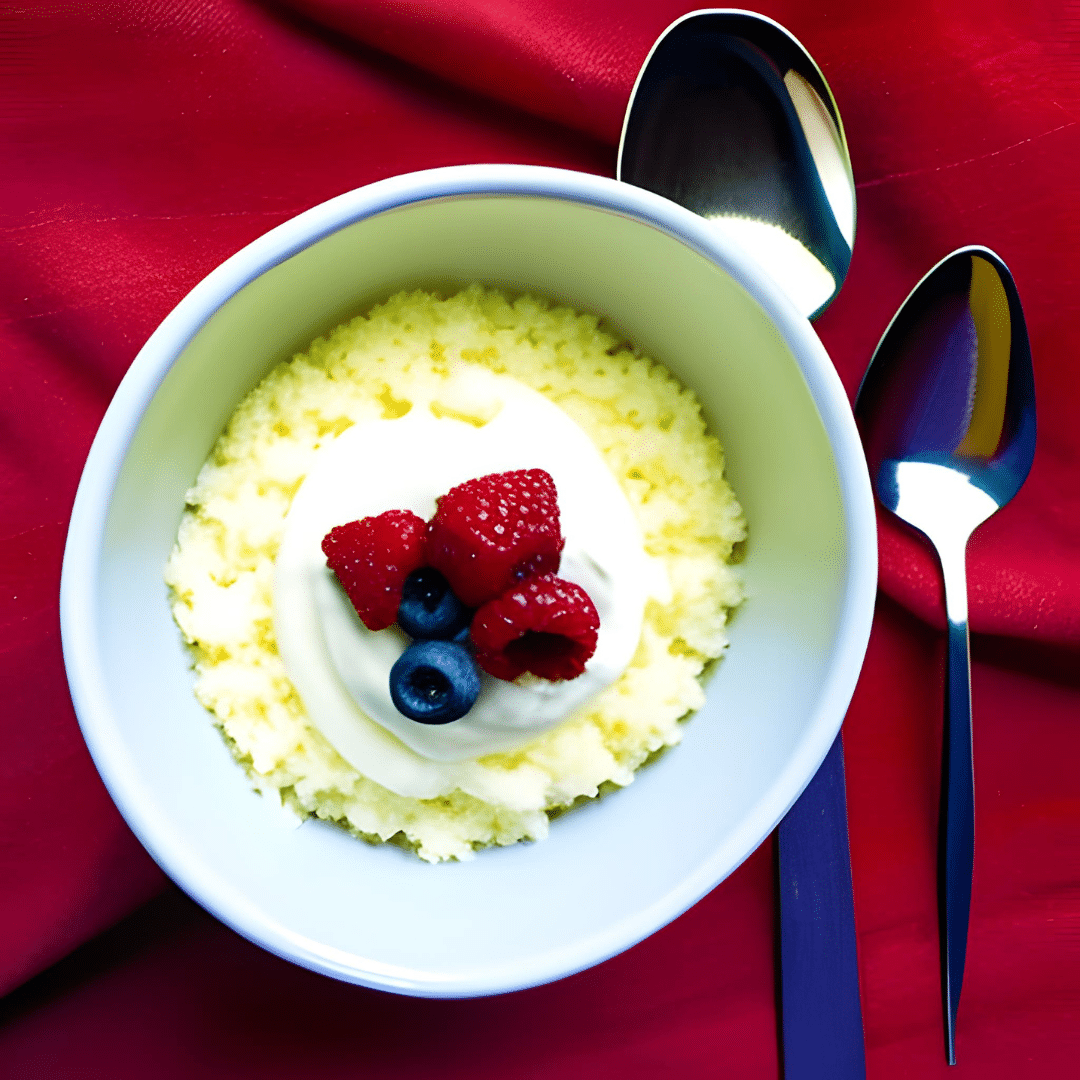
Today’s Spotlight is on Rice Pudding.
Rice pudding is a creamy mixture of rice and milk and other ingredients such as cinnamon, vanilla and raisins. It’s cooked until it’s thick and soft. It can be sweet or savory. Variants are used for either desserts or dinners. When used as a dessert, it is commonly combined with a sweetener such as sugar. American rice pudding often uses leftover rice and can be baked in the oven or cooked on the stove.
History
The first recorded recipe for rice pudding dates back to the 10th century. The dish was a simple combination of boiled rice, milk, and sweeteners like honey or sugar. Over time, rice pudding has been adapted to different cultures and cuisines, with each region putting its own spin on the dish.
The first mentions of rice pudding were recorded in the epics of Mahabharata and Ramayana, where it was referred to as “ksheer” or “kshirika” in Sanskrit, which translates to “a dish made with milk”. In India, rice pudding is known as “kheer” and has been a staple food since potentially 6000 BCE. It was included in the Ancient Indian diet prescribed by Ayurveda, an ancient alternative health regime.
Rice pudding has also been an important dish in Sweden for centuries. American rice pudding usually uses leftover rice and can be baked in the oven or cooked on the stove.
Rice pudding is a common dessert in the United States, especially in New Jersey. Most recipes in the US and Canada come from European immigrants. In the second half of the 20th century, South Asian, Middle Eastern, and Latin American recipes also became more common. Rice pudding may have started appearing on diner menus in the 1920s.
Is Rice Pudding Healthy?
Yes, rice pudding can be good for you. It’s a good source of healthy carbohydrates and is low in fat and sodium. Rice pudding also contains calcium, thiamin, vitamin B12, potassium, phosphorus, and magnesium. A 12-cup serving of rice pudding contains 4 grams of protein, 3.5 grams of fat, 27 grams of carbohydrates, and 1 gram of fiber.
Rice pudding can also help soothe an upset stomach because the rice absorbs excess stomach acid, and the milk creates a protective coating on the stomach lining. Some ingredients in rice pudding, like oats, milk, pumpkin seeds, and cardamom pods, contain calming components that help the body produce serotonin, which can aid sleep and relaxation.
The recipe for rice pudding evolved from an ancient dish called “pottage” which originated in the Middle East. The dish can be traced to multiple cultures across millennia, including ancient China, the Byzantine Empire, and ancient India, where rice was a major food source. Almost every region of the world has its own take on rice pudding.
Here is a Rice Pudding Recipe for you to Try:
Ingredients:
- 6 cups whole milk, divided.
- 1/2 cup sugar
- 1/2 teaspoon salt
- 1/2 cup long grain white rice, I use a heaping half cup.
- 2 teaspoons vanilla extract
- ground cinnamon, optional
Directions:
- In a large saucepan, combine 5 1/2 cups milk, sugar, and salt. Bring to a boil over medium-high heat.
- Stir in rice and reduce heat to low. Be sure to adjust the heat so that it is at a gentle simmer.
- Stirring occasionally, cook for 50 to 60 minutes. Mixture should thicken up to consistency of yogurt.
- Once thickened, remove from heat and stir in vanilla.
- Let cool and then refrigerate. The last 1/2 cup milk is stirred in just before serving. Sprinkle with cinnamon if desired.
Rice pudding has become a staple dish in many cuisines around the world, including India, China, Mexico, and Portugal. Rice pudding’s popularity has continued to grow and by the 18th century it was considered an “every day” dish.
National Rice Pudding Day is celebrated annually on August 9th. It’s an unofficial holiday that celebrates the creamy, versatile dessert. Rice pudding is a popular dish that can be served as a dessert or dinner. We’d love to hear in the comments your favorite way to eat rice pudding.
0 Comments