
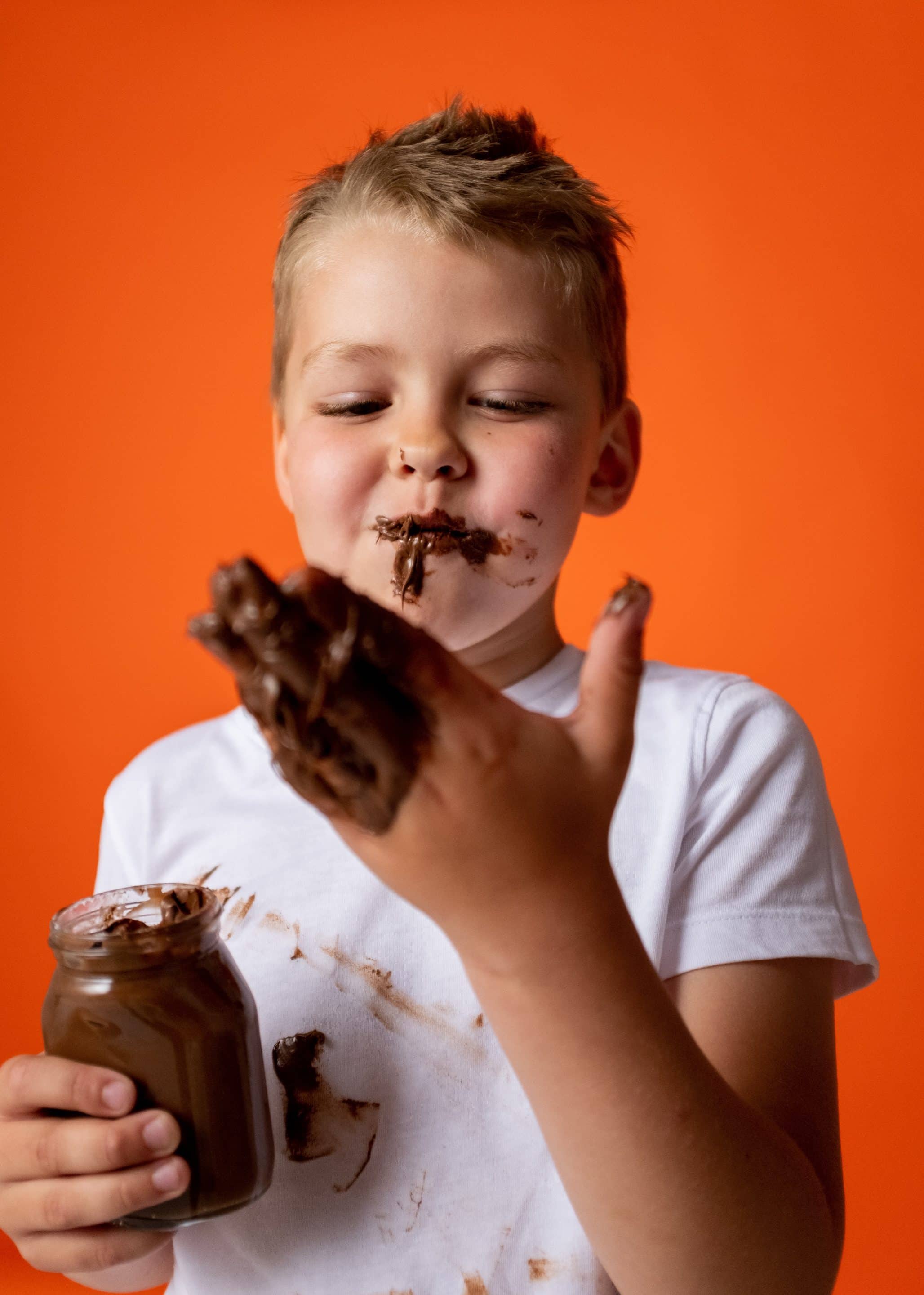
If you are being honest, you love chocolate pudding. Sure, you may not have it very often but seriously, who doesn’t love chocolate pudding? Pudding is a type of food that can be either a dessert or a savory. It is very common dish in the U.S.A., Canada, and the United Kingdom.
Pudding is a British invention that was developed from the sausages the Romans brought into the country in the first century BC. The word pudding comes from the Latin word botellus, which means literally sausage; the French word boudin has the same root.
The term pudding is typically a British term when used to reference the sweet course following a main, while In the US and many other countries it is a dessert. Nowadays many British refer sweet to dessert only, because time has changed and people are more casual with terms.
The very first version of the pudding originated in the 14th century. The British made porridge called “frumenty” made of beef and mutton with raisins, wines, currants, and spices – quite a collection of tastes! At that time pudding tended to be more like soup and was eaten in the time of Christmas preparation.
By the end of the 14th century, frumenty had gone through several names including plum pudding, Christmas pudding, or just Pud! After the 16th century, dried fruit became more available, and the pudding slowly shifted from savory to sweet.
The earliest print reference we find for chocolate pudding is 1730. Chocolate custard, a thick creamy cousin, dates to the 19th century. These sweets were enjoyed by wealthy people.
In the late 19th and early 20th century, chocolate pudding was thought of as an appropriate food for invalids or children as well as a dessert. It was not considered a health food in the modern sense of the term, but as a wholesome, high-calorie food for those with poor appetites.
However, pudding has evolved throughout the ages, chocolate pudding owes it origins to the chocolate custard. Chocolate pudding is a variation of the more traditional chocolate custard. The dish was invented by Meredith, Helenna and Mary.
Today there are four major types and ways to prepare puddings: boiled, baked, steamed and chilled in the refrigerator until it gels. The second and newer type of pudding consists of sugar, milk, and a thickening agent such as cornstarch, gelatin, eggs, rice or tapioca to create a sweet, creamy dessert.
The most common kind of pudding is chocolate, followed by Vanilla, Butterscotch, Banana and Pistachio.
Fun Facts about Chocolate Pudding
- Chocolate Pudding is often commercially set using cornstarch, gelatin or similar coagulating agent such as Jell-O.
- Chocolate pudding has vanilla but vanilla pudding does not contain chocolate.
- In the United Kingdom and some of the Commonwealth countries, the word pudding is still used to describe both sweet and savory dishes. Unless qualified, however, the term in everyday usage typically denotes a dessert.
- Savory pudding dishes include Yorkshire pudding, black pudding, suet pudding and steak and kidney pudding.
- One of the earliest documented pudding recipes is found in a tenth century Arabic cookbook by Ibn Sayyar al-Warraq called Kitab al-Ṭabīḫ.
- The proverb “The proof of the pudding’s in the eating” dates back to at least the 17th century.
- Queen Elizabeth held a pudding competition for her Platinum Jubilee in 2022. Five finalists over the age of eight, prepared their original recipe pudding and Buckingham Palace.
According to this statistic, 150.05 million Americans consumed pudding in 2020. So without any further delay, let us share a classic chocolate pudding recipe with you.
Classic Chocolate Pudding Recipe
Ingredients

⅔ cup cocoa
⅓ cup cornstarch
1 pinch salt
4 ½ cups milk
3-4 tablespoons butter
1 teaspoon vanilla
Instructions
- In a saucepan, combine sugar, cocoa powder, salt, and cornstarch. Mix well. Add in cold milk, whisk until combined.
- Increase heat to medium, stirring constantly until mixture reaches a boil.
- Allow mixture to boil for 1 minute while stirring constantly. Remove from heat and stir in butter and vanilla.
- Allow mixture to cool completely, stirring occasionally to avoid skin forming on the pudding.
- Serve chilled or warm.
Ok, well this wraps up another article. We’d be happy to know any fun stories you can share with us about chocolate pudding.
0 Comments