
My absolutely most favorite holiday of the year is Thanksgiving. Thanksgiving is for everyone. It’s not exclusive like birthdays and anniversaries. It’s not mired in varied religious beliefs like Christmas, Hanukah and others. It is a time for anyone to simply be thankful. If you can share that with someone (or ones) else Thanksgiving is even better.
So I thought I would do something a bit different for this year’s holiday. I am mixing my fork following with research and a touch of humor. The idea for this post started with a funny post a friend of mine put on my Facebook wall. I decided to expand on it some and then let the joke take center stage at the end.
Step 1. Buy a turkey
There are a number of things to consider when buying a turkey. First and foremost: how many people are you serving? From here you should consider how many adults versus children, whether they are light or heavy eaters, and whether or not you want leftovers. These will all help you determine how big of a turkey you need.
Should you buy Fresh or Frozen? This depends on your needs. A fresh turkey costs more but doesn’t need thawing. Some butchers also offer “heritage” breeds of turkey. (You should buy it no more than one or two days ahead of time–it’s best to order in advance from your butcher or grocery store meat department). Frozen turkeys are less expensive and available year-round, but must be thawed before cooking.
Step 2. Have a glass of wine
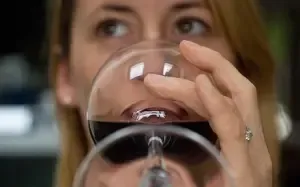
You may not know this but by tradition, more wine is sold for Thanksgiving Day dinner than for any other meal of the year. Plus, historically, the week before Thanksgiving is a great time to buy wine as many wine merchants run specials on preferred wines. The big question remains – which wines to go with the variety of tastes, textures and aromas that uniquely present themselves on Thanksgiving Day? Here are a few suggestions:
Sparkling Wines Sparkling wine makes any event more special. Serve a flute or two as a starter as guests are arriving — or at the table; they’re wonderful companions for food.
White Wines Riesling: A white wine that may either be bone dry or fairly sweet, excellent with any dishes that are spicy, salty or sweet. Whether from Alsace, Germany or Washington – Riesling wines are a top pick white wine for pairing with Thanksgiving dinner. Riesling’s innate flavors of apple, apricot, honey and its clarifying acidity give it a significant pairing edge with the likes of sweet potatoes, turkey meat and spice-laden or herb-filled stuffing.
Gewurztraminer: This white wine tends to have the aromatic gusto and spicy palate appeal that give it a solid standing with turkey and gravy, bringing out the best in both. Gewurztraminer offers a delicious white wine option for Thanksgiving Day.
Sauvignon Blanc: This crisp white wine is known for its citrus-based flavors that can be surrounded by herb or mineral undertones, making it a prime pairing candidate for turkey and mashed potatoes.
Red Wines Yes, you can serve red wine with turkey breast. You may not want to serve Cabernet because it is generally too tart and high in tannins to match well with turkey, but you can serve a lighter red. In fact, it is a red wine that has long been the classic choice for Thanksgiving because its light berry brightness contrasts well with the heartiness of the traditional menu. But red wine doesn’t stop there. Consider any of the following:
Pinot Noir: This red wine is a traditional favorite for Thanksgiving. Pinot Noir’s subtle earthy undertones and often mushroom inspired flavors surround the fruit features of the wine and tend to show well with the traditional flavors of turkey and stuffing.
Zinfandel: A fuller bodied red wine that ups the intensity from a Pinot Noir, but still maintains a balancing effect on many traditional Thanksgiving side dishes. This would be a great wine pick for those looking for a heartier red wine with the capacity to accommodate spice, bitter and sweet flavor profiles.
Syrah/Shiraz: The Syrah grape can bring a spicy edge or a meaty character to the table often increasing the complexity, while graciously handling the cornucopia of flavors in a traditional Thanksgiving meal. The prevalent peppery notes of Syrah will partner well with the herb-infused stuffing and both the white and dark turkey meat.
Beaujolais Nouveau: A light, fruity red wine, from the Gamay grape, that goes quite well with turkey and all of the fixings. This wine is released from France on the third Thursday of November, just in time to highlight your Thanksgiving feast!
Dessert Wines Muscat: Can be white, light, and slightly sweet or dark and quite sweet. Perfumy and musky, with essence of oranges. Serve chilled.
Port: Sweet, fairly heavy fortified wine. Younger ports are fruitier. Older ports are less sweet, tawny in color, and have a nuttier flavor from longer aging in wood.
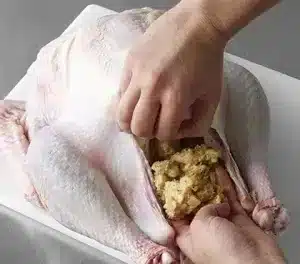
Step 3. Stuff turkey
On Thanksgiving, the stuffing is arguably just as important as the turkey. Get it right and your guests will rejoice. With these 15 recipes, you can’t go wrong. Whether you like your stuffing fruity, full of meat, plain and simple, or made with a twist, we’ve got the perfect dish for your table. Still not sure what else you’re going to make? Check out these stuffing recipes: Stuffing A Turkey.
Step 4. Have a Glass of Wine
Strategically choose the type of wine for the feeling, mood and circumstances of the moment. Obviously champagne and sparkling wines are best suited to celebrations and happy times. Light wines like Rieslings are wonderful when it is hot outside or you are just looking for something fresh and lively. Reds tend to be more romantic and some of them are even just perfect for sitting beside the fire on a cold winter night. Whites like Sauvignon Blanc are elegant and a great choice for a more formal feel. However, what makes the righ choice the best choice is you. Guidelines are helpful, but by keeping a wine diary tracking likes, dislikes, food pairings and the setting you enjoyed them in, you can be sure to make the best choice for you and your wine moments in life. However for more information on this is available at the link below.
Step 5. Put turkey in oven
Heat the Oven to 450°F – Position an oven rack in the bottom third of your oven. If you brined your turkey, as we did, no need to do anything now. If your turkey is straight out of the package, rub it with some salt and pepper before putting it in the oven. We recommend leaving your turkey un-stuffed and un-trussed, both because it’s easier and because the turkey will cook more evenly.
Roast the Turkey – Pour two cups of broth or water into the roasting pan. Place the turkey in the oven and turn down the heat to 350°F. We’re going for a breast-side up approach here. Some recipes advocate starting the turkey breast-side down to shield the breast meat, but the idea of flipping a hot, sputtering turkey is not our idea of a good time. Instead, we like to shield the breast meat with foil toward the end of cooking if it starts getting too browned.
Cooking Time – The rule of thumb for cooking a turkey is 13 minutes per pound. So our 16-pound turkey should have taken about 3 1/2 hours to cook. However, some factors like brining the bird, cooking with an empty (un-stuffed) cavity, and leaving the legs un-trussed will contribute to much faster cooking. Plan on the 13-minute-per-pound rule, but start checking the temperature of your turkey about halfway through the scheduled cooking time to gauge how fast it’s cooking.
4. Baste the Turkey – Every 45 minutes, remove the turkey from the oven, close the oven door (don’t let that heat out!), and baste the turkey all over. To baste, tilt the pan and use a turkey baster or spoon to scoop up the liquids and drizzle them on top of the turkey. Basting with pan juices cools the surface of the turkey and slows down cooking, which in turn keeps the breast meat cooking at close to the same rate as the legs and thighs.
And the rest of this list is self-explanatory…
Step 6. Relax and have a glass of wine
Step 7. Turk the bastey
Step 8. Wine of glass another get
Step 9. Hunt for meat thermometer
Step 10. Glass yourself another pour of wine
Step 11. Bake the wine for 4 hours
Step 12. Take the oven out of the turkey
Step 13. Tet the sable
Step 14. Grab another wattle of bine
Step 15. Turk the carvey!
Thanks as always for following our fork (and my cork). Happy Thanksgiving!
0 Comments