
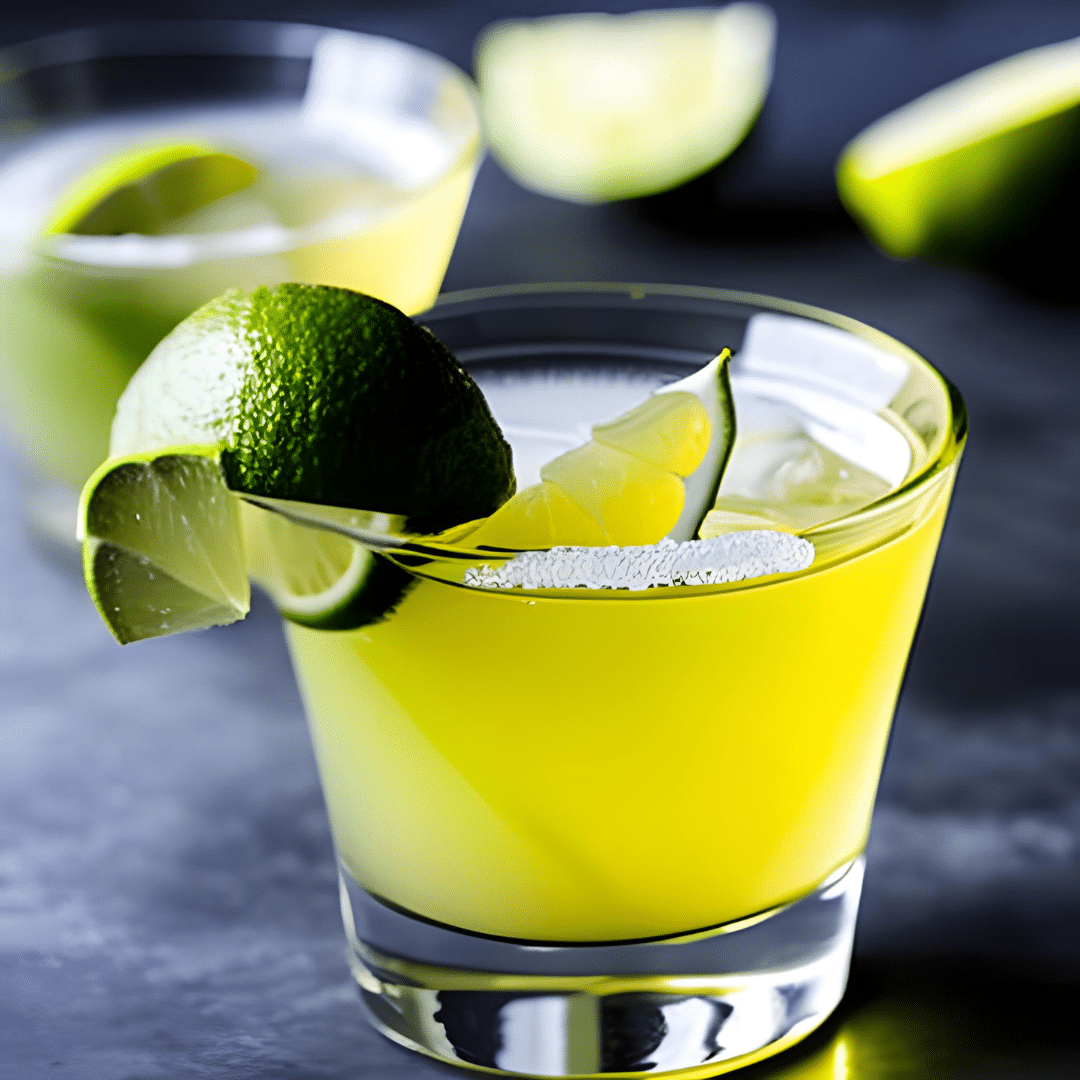
Today’s spotlight is on Tequila!
A drink similar to tequila likely originated around 1000 B.C. among the Olmec people in what is now Southeastern Mexico. Tequila first came into existence between 250 and 300 A.D. when the Aztec Indians produced a fermented agave juice of the agave for their ceremonial wine, “plaque”. The liquid was important to Aztec culture because they worshipped two gods, Mayahuel (the goddess of the Maguey) and her husband Patecatl, the god of pulque. The earliest version of tequila was known as pulque and was made from the fermented sap of the agave plant by the Aztec civilization in what is now northern Mexico. Pulque was a milky liquid that was sacred in Aztec culture and often linked with feasting and ritual ceremonies.
Tequila has been produced since the sixteenth century (around 1538). It takes its name after the region where it was born, the town of Tequila. Tequila is North America’s oldest distilled spirit and is intrinsically important to Mexican culture and heritage.
For starters, in order for a spirit to be called “Tequila” it MUST come from one of five authorized states in Mexico: Guanajuato, Jalisco, Michoacan, Nayarit, or Tamaulipas. If it’s produced outside one of these five states, it must be called an “Agave Spirit” or Mezcal.
In 1795, Jose María Guadalupe de Cuervo (Jose Cuervo), began selling the very first Vino Mezcal de Tequila de Jose Cuervo after receiving the first official charter from the King of Spain to produce tequila commercially.
The legend of the worm in tequila started in the 1950s when a Mexican mezcal maker discovered moth larvae in a batch of mezcal. The mezcal maker thought the worm improved the taste of the mezcal, so he placed a worm in each bottle as a marketing strategy. Other manufacturers followed suit due to its popularity.
The worm is also known as “Gusano de Maguey” (Maguey worm) and it grows in the roots of the Maguey or Agave. It’s a typical insect from Oaxaca, the motherland of Mezcal.
The Mexican legend says that you will see visions or have supernatural powers if you eat the worm. The worm is edible and safe to consume, and it will not cause any harm to your health.
Jose Cuervo tequila does not have a worm in its bottle. In fact, tequila does not contain a worm in the bottle because the Mexican Standards authority prohibits it. The worm is only found in certain bottles of mezcal.
Mexico Owns Tequila
A lot has happened with Tequila since Jose Cuervo began commercializing it. For example, a drink may be produced in any other part of Mexico or the world, using the same plant and the same process, but that drink can’t be commercialized under the name of “Tequila”. A different name must be written on its label, such as agave distillate, or double agave distillate, but the name “Tequila” can’t be on the label.
Here are some reasons why tequila can only come from Mexico:
- To be considered authentic, tequila must be made in five designated regions of Mexico where the Weber blue agave grows.
- Tequila is a fermented and distilled spirit made from the blue Agave tequila Weber “Agave Azul” plant, which originates from the western Mexican state of Jalisco.
- There are over 220 different types of agave that grow in Mexico, but true tequila is only made with one type of agave plant grown in certain regions of the Jalisco state
- Mexico copyrighted the term “tequila” in 1974, making it illegal for anyone outside of certain regions of Mexico to bottle and export the liquor.
- Tequila was first invented and distilled in the town of Tequila, Jalisco, Mexico in the 17th century.
What’s in A Name?
The Mexican government owns and vigorously protects the rights to the name “tequila”. In 1974, the Mexican government declared the term “tequila” as the intellectual property of Mexico, making it illegal for any other state to produce and sell their own “tequila”.
To be called “tequila”, a spirit must come from one of five authorized states in Mexico: Guanajuato, Jalisco, Michoacan, Nayarit, or Tamaulipas. If it’s produced outside one of these five states, it must be called an “Agave Spirit” or Mezcal.
Tequila is a fermented and distilled spirit sourced from the blue Agave tequila Weber “Agave Azul” plant, which originates from the western Mexican state of Jalisco. Tequila is only extracted from this one agave plant that grows in specific regions of Mexico.
Here are some differences between tequila sold in Mexico and the United States:
Alcohol content – Tequila sold in Mexico usually has an alcohol content of 38% (76 proof). Tequila sold in the United States is often made at 40% alcohol content (80 proof).
Agave – American tequila is often made with a blend of different agaves, while Mexican tequila is made with 100% blue agave.
Production – Mexican tequila is required by law to be produced in the state of Jalisco, while American tequila can be produced anywhere in the country.
Taxes – The Mexican government imposes taxes on distillers based on the alcohol content of the product.
Don Julio 70 – In the United States, Don Julio 70 is offered at 80 proof (40% ABV), while in Mexico it is only offered at 70 proof (35% ABV).
Here’s the Proof
The proof of Tequila is higher in the US and other markets. Why is this?
Tequila in Mexico is typically diluted and sold at proofs ranging from 70 to 78 (35 to 38% ABV). This is primarily driven by tax considerations because the Mexican government levies taxes based on the alcohol proof, making it financially unfavorable to sell Tequila at a higher proof. The majority of tequila available for retail in Mexico hovers around the national minimum of 35%.
However, laws in the US require all distilled spirits to be at least 40% ABV, so every bottle of tequila sold in America is a minimum of 80 proof. This means that if a tequila has less than 40% ABV, it can’t be sold as tequila in the US.
The alcoholic graduation of a tequila also depends on the law of the country in which the product will be sold. In Europe, the minimum is 38%, and in South Africa, it’s 43%.
The benefits of tequila are gaining popularity. It has no added sugars and is considered a healthy alcoholic choice for relaxation. If taken in moderation, its cocktails may promote skin health and weight loss. Also, its agave content positively affects glucose levels and may benefit those with diabetes.
Generative AI is experimental. Info quality may vary.
Here are some tequilas that are higher than 80 proof:
Tapatio 110: 110 proof (55% ABV), which is the highest legal alcohol content for retail tequila
Don Fulano Fuerte: 100 proof, the highest proof in the brand’s product line
El Luchador Tequila: 110 proof, with complex flavor notes
El Mexicano Blanco 90 Proof Tequila: 90 proof, made from 100% blue agave
Most tequilas are 80 proof, or 40% ABV. A small percentage of Mixto tequilas can exceed 110 proof.
What Is the Most Expensive Tequila?
- Ley Tequila 925 Diamante — $3,500,000.
- Tequila Ley Ultra Premium — $225,000.
- Clase Azul 15th Anniversary Edition — $30,000.
- Patron En Lalique, Series 2 — $7,500.
- Barrique de Ponciano Porfidio — $2,000.
National Tequila Day is celebrated annually on July 24 to honor the rich history of tequila, a spirit known for crafting delicious cocktails. While it’s not an official holiday, it’s a day for tequila lovers to celebrate one of the oldest spirits.
To celebrate, you can enjoy tequila with friends and post it on social media with the hashtag #nationaltequiladay and #forkuacademy. Traditionally, tequila is enjoyed neat, but outside of Mexico it’s usually enjoyed as a shot with salt and lime.
Let us know your thoughts on tequila.
0 Comments