National TV Dinner Day

Sep 9, 2025 | Food Blog

Today’s spotlight is on the classic TV Dinner.

A TV dinner is a pre-cooked, frozen meal that is portioned for one person. The name “TV dinner” comes from the fact that the trays are easy to carry to the living room to eat in front of the television.

TV dinners became an American culinary staple in the mid-20th century. The first official “TV Dinner”-branded TV dinner was created by C.A. Swanson & Sons and hit the market in 1954. The meal consisted of turkey, gravy, cornbread stuffing, sweet potatoes, and buttered peas, and sold for 98 cents.

The TV Dinner branding was eventually discontinued, but the meals live on today under the “Hungry Man” label. Instead of the original aluminum trays, the dinners are made with microwavable plates.


History

The first TV dinner was created in 1954 by C.A. Swanson & Sons, an Omaha-based company. The meal, named “Swanson’s TV Dinners”, included turkey, gravy, cornbread stuffing, sweet potatoes, and buttered peas. It came in an aluminum tray, covered by aluminum foil and was heated in an oven. The meal sold for 98 cents, which is about $10 in today’s dollars.

The term “TV dinner” was first used as part of the brand “TV Brand Frozen Dinner” in 1953. Swanson launched a large advertising campaign for the product, which helped to make it a cultural icon.

The TV dinner’s promise of a hot meal in under 25 minutes helped to make convenience-focused meal options the norm today.


Here are some fun facts about TV dinners:

  • The cardboard box that the TV dinner came in was designed to look like a TV, complete with a facsimile of dials and a volume control knob.
  • The term “TV Dinner” was originally a brand name for Swanson’s frozen dinners, but it’s become synonymous with any supermarket-bought packaged frozen dinner.
  • A salesman named Gerry Thomas conceived the idea of meal trays designed to sit on a person’s lap so that they could eat dinner on a chair while watching television.
  • The final product was designed by a bacteriologist named Betty Cronin who worked for Swanson.
  • The first frozen meal was manufactured in 1945 by Maxson Food Systems, Inc. Known as “Strato-Plates,” the meals were reheated on airplanes for military and civilian passengers.
  • The Swanson TV dinner was an immediate success, with sales exceeding 10 million units in the first year and 25 million the next.


According to Statista, 127.92 million Americans consumed frozen TV dinners in 2020. This number is projected to increase to 130.55 million in 2024. The average American eats 72 frozen meals a year. TV dinners are a popular option for people who can’t or don’t want to cook. Brands include Lean Cuisine, Hungry-Man, Marie Callendar’s, and Banquet.


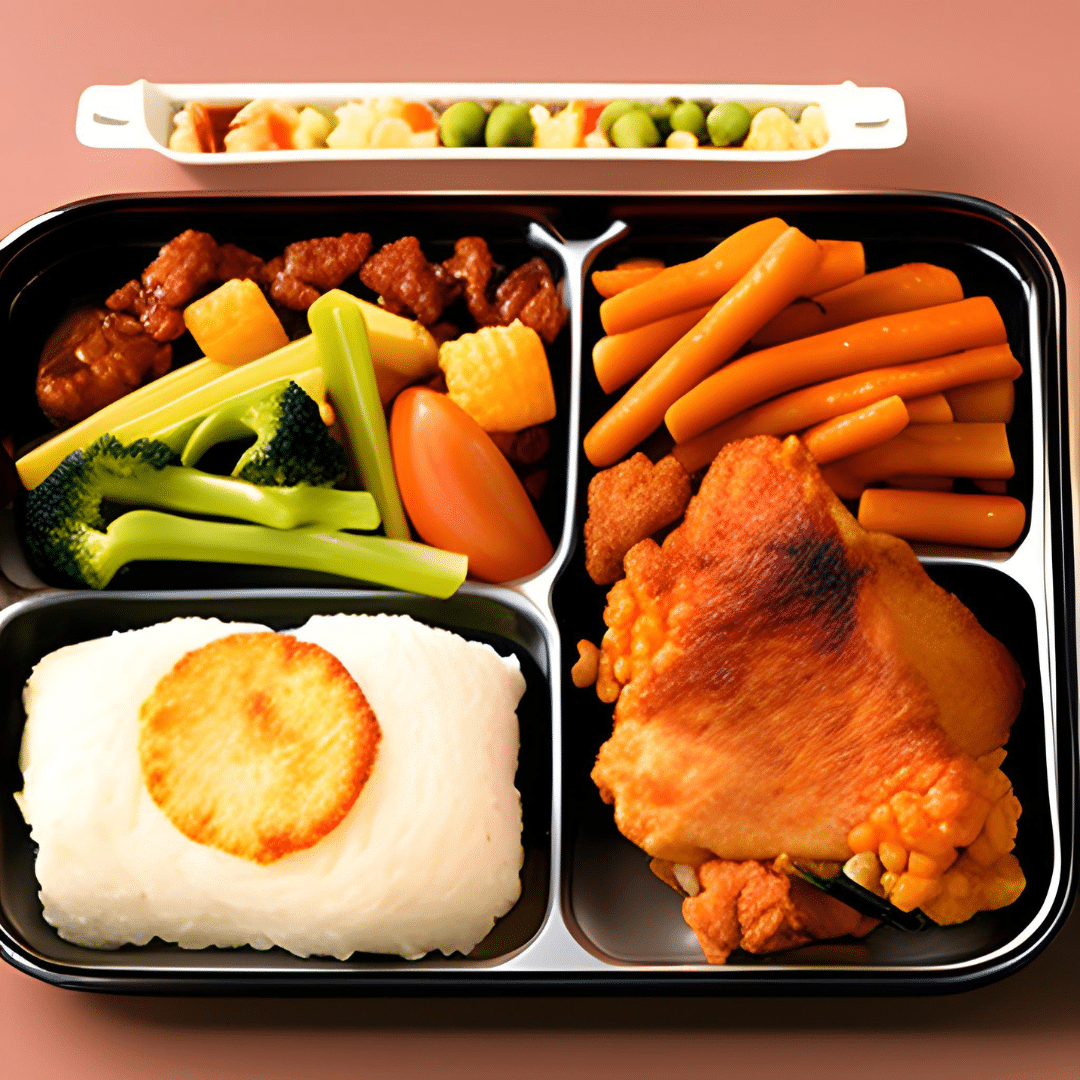
You would not typically make a TV Dinner for yourself but if you did, it may look like this:

Here is a recipe for a homemade TV dinner:

  • Mashed potatoes: 2 pounds russet potatoes, cut into 2-inch chunks, plus kosher salt and freshly ground black pepper.
  • Brownie cake: 1 cup semi-sweet chocolate chips
  • Green beans: 12 ounces haricots vert, trimmed.
  • Meatloaf: 1/4 cup panko breadcrumbs.
  • Peas and carrots: Cook peas and carrots in boiling water for about 15 minutes, then drain and toss with 2 tablespoons of butter and season with salt and pepper.


National TV Dinner Day is celebrated annually on September 10th. It’s a day to enjoy a complete meal without having to cook. Let us know in the comments what TV Dinner you choose to celebrate.

0 Comments

Submit a Comment

Your email address will not be published. Required fields are marked *

Subscribe to our Blog to receive more content like this. Click here to subscribe.

Be sure to watch our shows on QVC+  or our YouTube channel

Give us your feedback on our Social Channels 

FacebookInstagramTik TokLinkedInPinterestTwitter  

National Spumoni Day aka Neapolitan ice cream

National Spumoni Day aka Neapolitan ice cream

Today’s Food Spotlight is on Spumoni.
Spumoni, or spumone, is a traditional Italian dessert that's a frozen, layered loaf of mostly ice cream. It's a milk sherbet, which is not quite ice cream and not quite sorbet, and has the addition of dairy, usually milk or buttermilk. This gives it a slightly creamier texture than sorbet, as well as a lighter, pastel color.
Spumoni is typically made by layering three flavors of ice cream or gelato, along with candied fruits, nuts, and whipped cream. The typical flavors in the United States are cherry, pistachio, and either chocolate or vanilla. The fruit/nut layer often contains cherry bits, which causes the traditional red/pink, green, and brown color combination. In America, spumoni is usually accompanied by butter cookies on the side, especially during wintertime.

Read More

National Bacon Lovers Day

National Bacon Lovers Day

Today’s Spotlight is on Bacon.
By definition, bacon is a type of salt-cured pork that comes from a pig. It is typically made from the belly or less fatty parts of the back. Bacon is often smoked after being cured. Bacon can be eaten on its own as a side dish, or used as an ingredient in dishes like sandwiches, salads, soups, and even sweets. It can also be used as a flavoring or accent, such as in bacon bits in a salad.

Read More

National Soft Serve Ice Cream Day

National Soft Serve Ice Cream Day

Today’s Spotlight is on Soft Serve Ice Cream.
Soft serve is a frozen dessert that is similar to ice cream but is softer and less dense. Soft serve is made by churning air into the ice cream mixture as it freezes, giving it a lighter and creamier texture. Soft serve is at least 50% air, while ice cream is between 30% and 50% air.
Soft serve also contains less milk fat than hard ice cream, often 3% to 6%. Hard ice cream is more likely to contain other flavorings, like pieces of chocolate, fruit, nuts, and other sweets. The final product is formed at retail, made from a powdered or liquid premix.

Read More

National Potato Day

National Potato Day

Today’s spotlight is on the Potato.
A potato is a starchy tuber, or underground stem, that grows under the ground. The part of the potato that people eat is the tuber, which can be round or oval and have small white roots called "eyes". The size and color of the potato's skin can vary by variety, and can be white, yellow, or purple.
Potatoes are a root vegetable, which refers to any underground part of a plant that is eaten by humans. They are native to the Andes Mountains in South America and have been grown for thousands of years. Potatoes are a staple food in many countries around the world and are used in a wide variety of dishes.

Read More

National Ice Cream Pie Day

National Ice Cream Pie Day

Today’s Spotlight is shining on Ice Cream Pie.
Ice cream pie is a frozen dessert made with a sweet crust, creamy ice cream, and whipped cream topping. The crust can be made from a standard pastry, crumbled cookies, or graham cracker. The ice cream can be filled with your favorite flavors and topped with hot fudge or more whipped cream.

Read More

Celebrate National Cheeseburger Day

Celebrate National Cheeseburger Day

Today’s Spotlight is on the Cheeseburger.
A cheeseburger is a grilled sandwich made of a patty of ground meat, topped with a slice of cheese, and placed between two halves of a bun. The patty is often seasoned with chopped onions, spices, or breadcrumbs before cooking. The cheese is added near the end of the cooking time. The burger is then placed in a bun and topped with condiments like lettuce, tomato slices, onion slices, pickles, and ketchup. The bun should be slightly crunchy on the outside and soft inside. The cheese should be melting over the meat.

Read More

National Vanilla Custard Day

National Vanilla Custard Day

Today’s Spotlight is on Vanilla Custard.
Custard is a culinary preparation made with milk or cream, egg yolks, sugar and vanilla. Depending on its consistency, custard can be served on its own or used as a filling for other desserts or dessert sauce. It can be served warm or cold and is often combined with fruits and cookies to create other dessert dishes. Vanilla custard contains egg yolks which gives it a yellow color.

Read More

National Bratwurst Day

National Bratwurst Day

Today’s Spotlight is on Bratwurst.
Bratwurst is a type of German sausage, also known as a "brat". It's typically made from pork and veal, but can also be made with beef, or any combination of meat. Bratwurst has a smooth texture, pale color, and mild flavor. It can be seasoned with salt, white pepper, nutmeg, lemon peel, marjoram, caraway, and garlic. They are often consumed for breakfast in German cities.
Bratwurst is prepared and stored fresh, so it doesn't have a long shelf life like a sausage can. It's usually grilled or fried in a pan

Read More

National Rum Day

National Rum Day

Today’s spotlight is on Rum.
Rum is a liquor that is distilled from sugarcane or sugarcane byproducts such as molasses or sugarcane juice. The sugarcane is fermented and then distilled, producing a clear liquid that is often aged in oak barrels. This aging process gives the final product its characteristic color and flavor.
Rum has a typical alcohol concentration of 40% ABV. Some rum is "overproof," meaning that it has an alcohol concentration of at least 57.5% ABV. Most overproof rum exceeds this minimum, usually reaching 75.5% ABV, which is equivalent to 151 proof.

Read More

National Lemon Meringue Pie Day

National Lemon Meringue Pie Day

Today’s spotlight is on Lemon Meringue Pie.
Lemon meringue pie is a dessert pie consisting of a shortened pastry base filled with lemon curd and topped with meringue. Lemon meringue pie has a buttery, flaky, and crispy pie crust. The filling is jelly-like, translucent, and smooth, and is yellow due to the lemon juice, lemon rind, butter, and egg yolk. The pastry is thin and flat due to being rolled out using a rolling pin. During baking, the edges turn golden brown.

Read More

Pin It on Pinterest