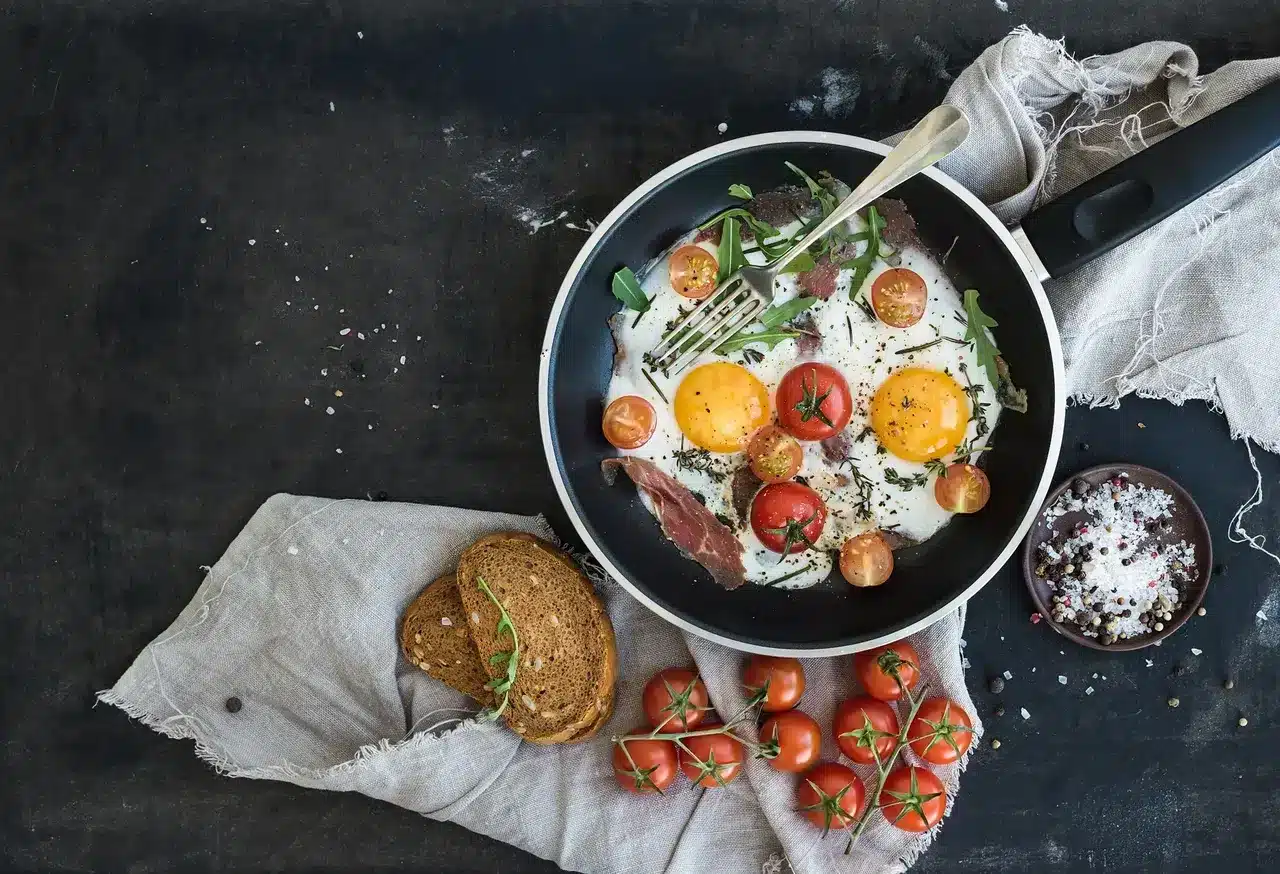
Helping Cut Food Costs

Feb 27, 2026 | Food Blog

Cost: If you want to make sure that you are getting the best value for their money, look for recipes that are easy and inexpensive to make. We all care about the cost of food because it affects our budget and our ability to make quality meals. It’s important to be able to afford groceries and not break the bank when we are cooking. Also want to make sure you are getting the best value for your money, so you’ll want to find recipes that are easy and inexpensive to make.

Value vs Cost

We should learn to appreciate value over cost. You want to ensure you are getting the most out of your money, so look for meals that offer the best combination of quality and affordability. Make sure you are getting your money’s worth, so look for recipes that are not only tasty but also cost-effective.


Tips to Saving Money on Food and Food Prep

1. Plan your meals in advance. Planning your meals ahead of time allows you to shop smarter and save money on groceries.

2. Shop with a list. Making a list before you go grocery shopping ensures that you only buy what you need and don’t overspend.

3. Buy in bulk. Buying pantry staples and other items in bulk can help you save money in the long run.

4. Cook in batches. Cooking in batches is a great way to save time and money. Cook a few meals at once and freeze the leftovers for later.

5. Use leftovers. Get creative with your leftovers and turn them into new dishes. This will help you save money and reduce food waste.

6. Buy frozen. Frozen fruits and vegetables are just as nutritious as fresh and can be much cheaper.

7. Buy in season. Buying fruits and vegetables in season is a great way to save money while also buying local, in-season produce.

0 Comments

Submit a Comment

Your email address will not be published. Required fields are marked *

Subscribe to our Blog to receive more content like this. Click here to subscribe.

Be sure to watch our shows on QVC+  or our YouTube channel. 

Give us your feedback on our Social Channels 

Facebook • Instagram • Tik Tok • LinkedIn • Pinterest • Twitter  

Celebrating Chocolate

Celebrating Chocolate

Today’s Spotlight is on Chocolate.
Chocolate is a sweet, brown food made from cocoa beans. It's usually sold in solid bars, but can also be powdered or melted. Chocolate is used as a flavor for desserts, drinks, and other foods.
Chocolate is rich in carbohydrates and is an excellent source of quick energy. It has several health benefits.

Read More

Celebrating Pumpkins

Celebrating Pumpkins

Today’s Spotlight in on Pumpkins.
A pumpkin is a vernacular term for mature winter squash of species and varieties in the genus Cucurbita that has culinary and cultural significance but no agreed upon botanical or scientific meaning. Pumpkin, from a botanist's perspective, is a fruit because it's a product of the seed-bearing structure of flowering plants. Vegetables, on the other hand, are the edible portion of plants such as leaves stems, roots, bulbs, flowers, and tubers.

Read More

Celebrating Pasta

Celebrating Pasta

Today’s Spotlight is on Pasta.
Pasta is a type of food typically made from an unleavened dough of wheat flour mixed with water or eggs, and formed into sheets or other shapes, then cooked by boiling or baking.
Pasta is a type of food made from unleavened dough of wheat flour, water, and sometimes eggs. The dough is formed into different shapes and then cooked by boiling or baking. Pasta can be dried or used fresh.

Read More

Celebrating Boston Cream Pie

Celebrating Boston Cream Pie

Today’s Spotlight is on Boston Cream Pie.
A Boston cream pie is a cake with a cream filling. The dessert acquired its name when cakes and pies were cooked in the same pans, pie tins were more common than cake pans, and the words were used interchangeably. In the late 19th century, this type of cake was variously called a "cream pie", a "chocolate cream pie", or a "custard cake".
The Boston cream pie is a sponge cake. The cake batter was originally baked in a pie crust. At some point, the crust was eliminated, and the batter was poured directly into the pie pan.

Read More

Celebrating Whole Hog BBQ

Celebrating Whole Hog BBQ

Today’s spotlight is on a Whole Hog BBQ.
Whole hog barbecue involves cooking an entire hog in one piece over a pit in the ground. It's a time- and labor-intensive process. Whole hog barbecue is a regional style of barbecue where a pitmaster cooks an entire hog. The hog smoked for hours on a wood pit. The meat is seasoned with sauces like mustard-based, tomato-based, or vinegar-based.
To serve, the skin is cracked along the back, hams, and shoulders. The meat should pull easily from the bone. Guests can choose the type of meat they want, such as:
Loin, Tenderloin, Shoulder, Hams, Belly, Ribs.

Read More

Celebrating Nuts

Celebrating Nuts

Today’s focus is on nuts!
Nuts (tree nuts and peanuts) are nutrient dense foods with complex matrices rich in unsaturated fatty and other bioactive compounds: high-quality vegetable protein, fiber, minerals, tocopherols, phytosterols, and phenolic compounds.
There are over 20 edible nuts in the world. Some of the most common edible nuts include:

Read More

Celebrating Nachos

Celebrating Nachos

Today’s Spotlight is on Nachos.
Nachos is a Mexican culinary dish consisting of tortilla chips or totopos covered with cheese or cheese sauce, as well as a variety of other toppings and garnishes, often including meats, vegetables, and condiments such as salsa, guacamole, or sour cream.
They can also include other toppings and garnishes, such as:

Read More

Celebrating Chicken and Waffles

Celebrating Chicken and Waffles

Today’s Spotlight is on Chicken and Waffles.
Chicken and waffles is a dish that combines chicken and waffles. It's popular in the United States and is served in many restaurants. The dish first appeared in the United States in the 1600s in Pennsylvania Dutch country. The traditional Pennsylvania Dutch version consists of a plain waffle with pulled, stewed chicken on top, covered in gravy.

Read More

Celebrating Seafood Bisque

Celebrating Seafood Bisque

Today’s Spotlight is on Seafood Bisque.
A bisque is a French style of soup that is made from crustaceans, such as lobster, crab, shrimp, and crayfish; their shells are used to make a stock and the meat is incorporated into the finished dish. So, in a way, calling the soup a "seafood bisque" is somewhat redundant.
The main characteristic of a bisque is that it is smooth and has a velvety texture. Most recipes will include wine and cream to give it its signature flavor and texture. But it's not merely the choice of ingredient that makes bisque different from other types of soups. It’s also the technique for utilizing that ingredient, including the parts you can't eat, making a bisque what it is.

Read More

Pin It on Pinterest