Fruitcake Toss Day

Jan 2, 2026 | Food Blog

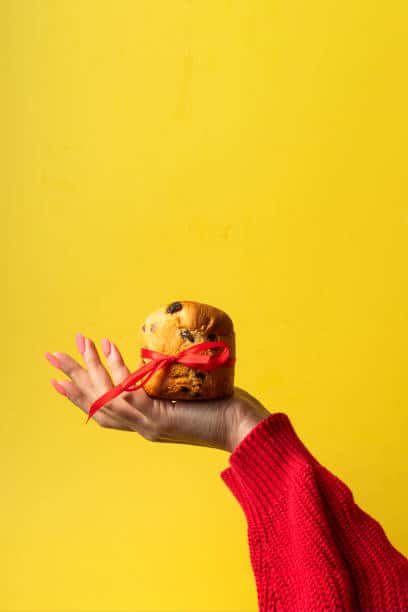
Today’s Spotlight is on Fruitcake. Well it’s more about getting rid of un eaten fruitcake.


Here is a quick survey (post your answers in the comments):

  1. How many Fruitcakes did you get this past holiday Season?
  2. How many do you still have left?
  3. What the heck are you going to do with them now? (if you are like me you are probably dieting).


Today is Annual Fruitcake Toss Day.

Fruitcake Toss Day is an annual holiday that takes place on January 3. The day celebrates fruitcakes by tossing them in an empty space. The goal is to get rid of unwanted fruitcake. On Fruitcake Toss Day, people toss any leftover or uneaten fruitcake into the air. Some people prefer the classic arm toss, while others use a fruitcake slingshot or pneumatic weapon launch.

In Manitou, Colorado, hundreds of people gather to compete to see who can throw their fruitcake the highest or the greatest distance.

To compete, you must bake your own favorite recipe and bring it down to the toss between 1-1:30 p.m. the day of the event. Your cake must have flour, nuts, and fruit to qualify.

Fruitcake Toss Day is usually the third weekend in January. Occasionally, it’s listed as occurring on the first Saturday in December.


A Little Background

In English slang, the word “fruitcake” is an insult that means someone is strange or crazy. It can also mean that someone is deluded, zany, nuts, or psycho.

Fruitcake has a long history:

  • In ancient Egypt, fruitcakes were placed in pyramids with deceased royal dignitaries to sweeten their afterlife.
  • In the 19th century, fruitcakes became traditional wedding cakes in England.
  • In the Middle Ages, fruitcakes were a royal tradition served at festivities like holidays, weddings, and christenings.
  • In the United States, Americans inherited the British tradition and called them Christmas cakes or plumb cakes.
  • In England, unmarried wedding guests would put a slice of fruitcake under their pillow to dream about their future spouse.

So why are you holding on to these darn things now? Why not give them a toss and have some fun doing it.


Celebrating Fruitcake Tossing

Fruitcake Toss Day originated in Manitou Springs, Colorado. A group of locals decided to make a competition out of tossing their old fruitcakes in a public park. The first Great Fruitcake Toss was held on January 3, 1996.

The day has been celebrated every year since, except for a few canceled editions. Manitou Springs has become so famous for its annual toss that it’s even been mentioned in Wikipedia and other publications.


Here are some ways to celebrate Fruitcake Toss Day:

  • Toss a fruitcake: Pick up any fruitcake and throw it in the air.
  • Host a competition: Invite family members to join you outside and take turns tossing their fruitcakes. You can also make hot chocolate and prizes.
  • Play Catch the Fruitcake: Divide into groups of three and catch fruitcakes tossed by your own devices. The fruitcakes must be at least 1 pound in weight.
  • Hold your own Great Fruitcake Toss: Get your friends together to compete for longest range.

You can share your celebration on social media using #FruitcakeTossDay.


Tossing Fruitcake Records

The all-time Great Fruitcake Toss record is 1,420 feet. In January 2007, a group of eight Boeing engineers set the record using the “Omega 380,” a mock artillery piece powered by compressed air from an exercise bike.

The current record is 1,500 feet, set by a team of Boeing engineers. They broke their previous record of 1,450 feet.


Here are some rules for tossing fruitcakes:

  • The winner is the person who can throw the fruitcake the farthest.
  • The distance is measured at the final resting spot of the fruitcake, not where it first hits the ground.
  • One cake per throw.
  • Fruitcakes must be at least 1 pound in weight, be rectangular in shape, and contain glaced fruits, nuts, and flour. They cannot contain anything inedible.
  • Fruitcakes must be visible to the inspectors.


At the Great Fruitcake Toss in Manitou Springs, Colorado, competitors must:

  • Bake their own favorite recipe.
  • Bring it down to the toss between 1-1:30 p.m. the day of the event.
  • Have flour, nuts, and fruit.


0 Comments

Submit a Comment

Your email address will not be published. Required fields are marked *

Subscribe to our Blog to receive more content like this. Click here to subscribe.

Be sure to watch our shows on QVC+  or our YouTube channel. 

Give us your feedback on our Social Channels 

Facebook • Instagram • Tik Tok • LinkedIn • Pinterest • Twitter  

Celebrating Carmel Apples

Celebrating Carmel Apples

Today’s Spotlight is on Caramel Apples.
Caramel apples are whole apples covered in a layer of caramel. They are made by dipping or rolling apples-on-a-stick in hot caramel, and sometimes rolling them in nuts or other small savories or confections. The caramel used to coat caramel apples is made from heavy cream, corn syrup, brown sugar, butter, salt, and vanilla.
Caramel apples have a softer, chewier coating around the apple that is similar to taffy. They are often called “taffy apples” when additional ingredients such as peanuts are applied. Caramel apples are enjoyed by people of all ages. Kids love the flavor and crunch, while adults reminisce their childhood memories. Caramel apples were created by Kraft Foods employee Dan Walker by accident. He was experimenting with leftover Halloween inventory, melting the caramels together, and incorporating different fruits.

Read More

Celebrating Oatmeal

Celebrating Oatmeal

Today’s Spotlight in on Oatmeal.
Oatmeal is a preparation of oats that have been de-husked, steamed, and flattened, or a coarse flour of hulled oat grains that have either been milled, rolled, or steel-cut. Ground oats are also called white oats. Steel-cut oats are known as coarse oatmeal, Irish oatmeal, or pinhead oats.
Oatmeal is a popular breakfast food made from oats and liquids, such as water, cow's milk, or plant-based milk. It's made by stewing oats in a heated liquid.

Read More

Celebrating Chocolate

Celebrating Chocolate

Today’s Spotlight is on Chocolate.
Chocolate is a sweet, brown food made from cocoa beans. It's usually sold in solid bars, but can also be powdered or melted. Chocolate is used as a flavor for desserts, drinks, and other foods.
Chocolate is rich in carbohydrates and is an excellent source of quick energy. It has several health benefits.

Read More

Celebrating Pumpkins

Celebrating Pumpkins

Today’s Spotlight in on Pumpkins.
A pumpkin is a vernacular term for mature winter squash of species and varieties in the genus Cucurbita that has culinary and cultural significance but no agreed upon botanical or scientific meaning. Pumpkin, from a botanist's perspective, is a fruit because it's a product of the seed-bearing structure of flowering plants. Vegetables, on the other hand, are the edible portion of plants such as leaves stems, roots, bulbs, flowers, and tubers.

Read More

Celebrating Pasta

Celebrating Pasta

Today’s Spotlight is on Pasta.
Pasta is a type of food typically made from an unleavened dough of wheat flour mixed with water or eggs, and formed into sheets or other shapes, then cooked by boiling or baking.
Pasta is a type of food made from unleavened dough of wheat flour, water, and sometimes eggs. The dough is formed into different shapes and then cooked by boiling or baking. Pasta can be dried or used fresh.

Read More

Celebrating Boston Cream Pie

Celebrating Boston Cream Pie

Today’s Spotlight is on Boston Cream Pie.
A Boston cream pie is a cake with a cream filling. The dessert acquired its name when cakes and pies were cooked in the same pans, pie tins were more common than cake pans, and the words were used interchangeably. In the late 19th century, this type of cake was variously called a "cream pie", a "chocolate cream pie", or a "custard cake".
The Boston cream pie is a sponge cake. The cake batter was originally baked in a pie crust. At some point, the crust was eliminated, and the batter was poured directly into the pie pan.

Read More

Celebrating Whole Hog BBQ

Celebrating Whole Hog BBQ

Today’s spotlight is on a Whole Hog BBQ.
Whole hog barbecue involves cooking an entire hog in one piece over a pit in the ground. It's a time- and labor-intensive process. Whole hog barbecue is a regional style of barbecue where a pitmaster cooks an entire hog. The hog smoked for hours on a wood pit. The meat is seasoned with sauces like mustard-based, tomato-based, or vinegar-based.
To serve, the skin is cracked along the back, hams, and shoulders. The meat should pull easily from the bone. Guests can choose the type of meat they want, such as:
Loin, Tenderloin, Shoulder, Hams, Belly, Ribs.

Read More

Celebrating Nuts

Celebrating Nuts

Today’s focus is on nuts!
Nuts (tree nuts and peanuts) are nutrient dense foods with complex matrices rich in unsaturated fatty and other bioactive compounds: high-quality vegetable protein, fiber, minerals, tocopherols, phytosterols, and phenolic compounds.
There are over 20 edible nuts in the world. Some of the most common edible nuts include:

Read More

Celebrating Nachos

Celebrating Nachos

Today’s Spotlight is on Nachos.
Nachos is a Mexican culinary dish consisting of tortilla chips or totopos covered with cheese or cheese sauce, as well as a variety of other toppings and garnishes, often including meats, vegetables, and condiments such as salsa, guacamole, or sour cream.
They can also include other toppings and garnishes, such as:

Read More

Pin It on Pinterest